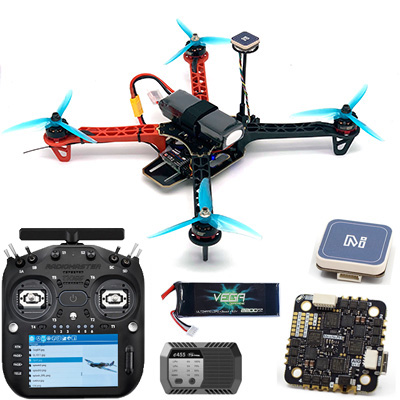
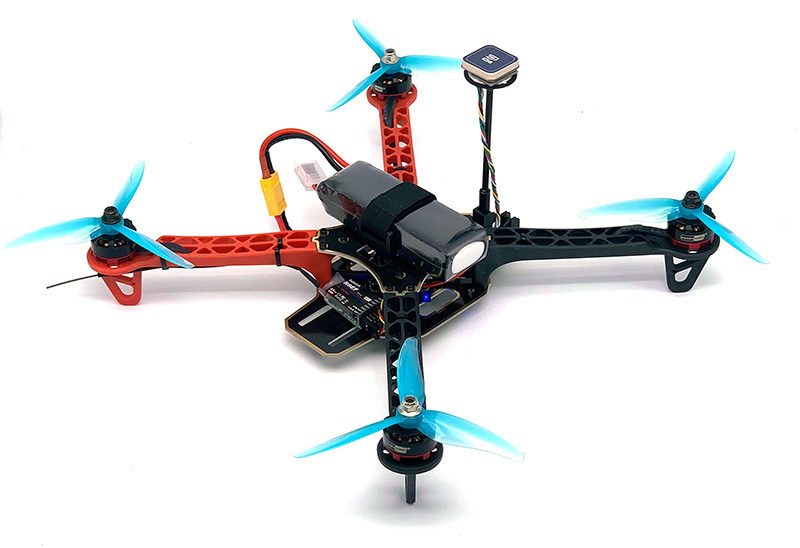
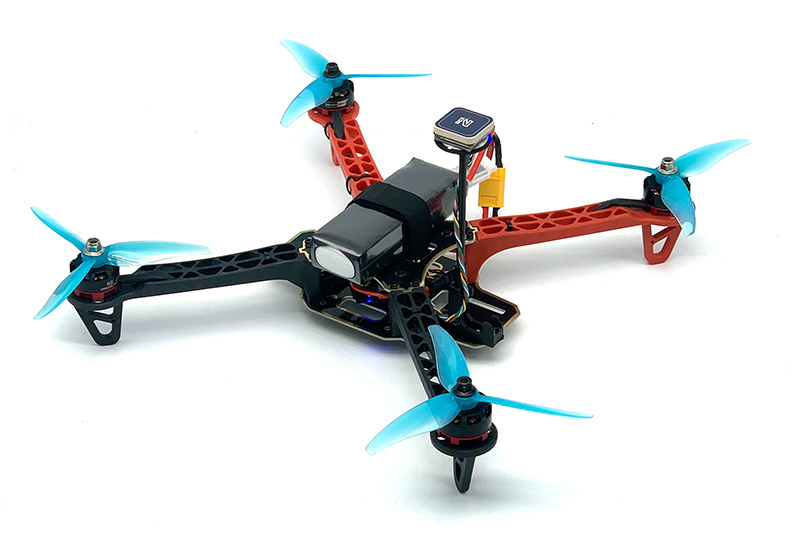
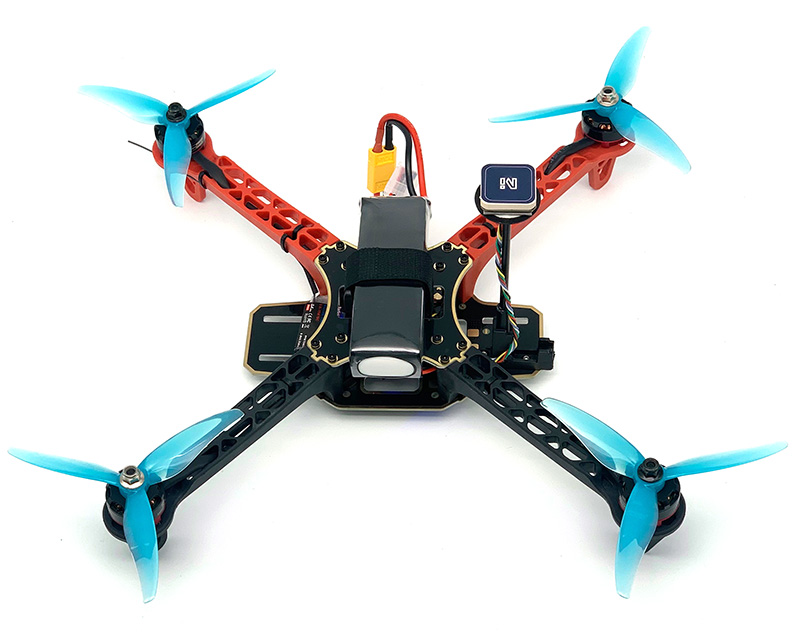
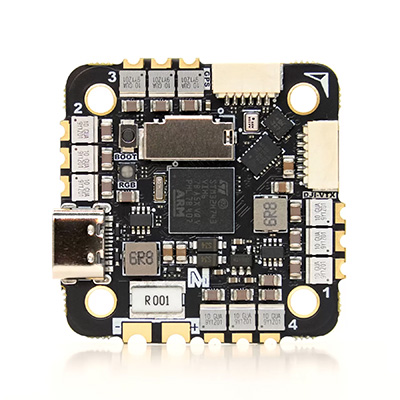
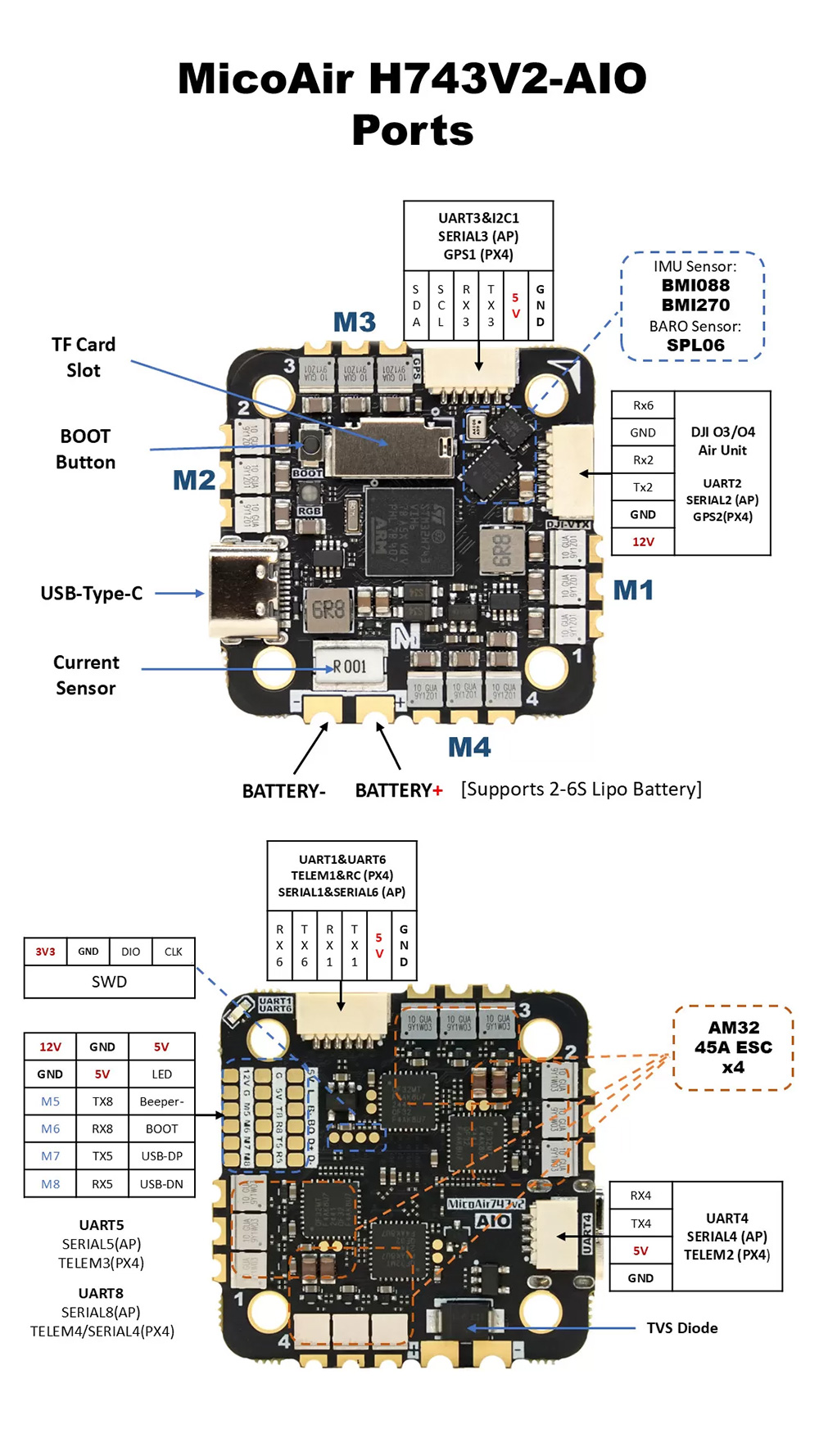
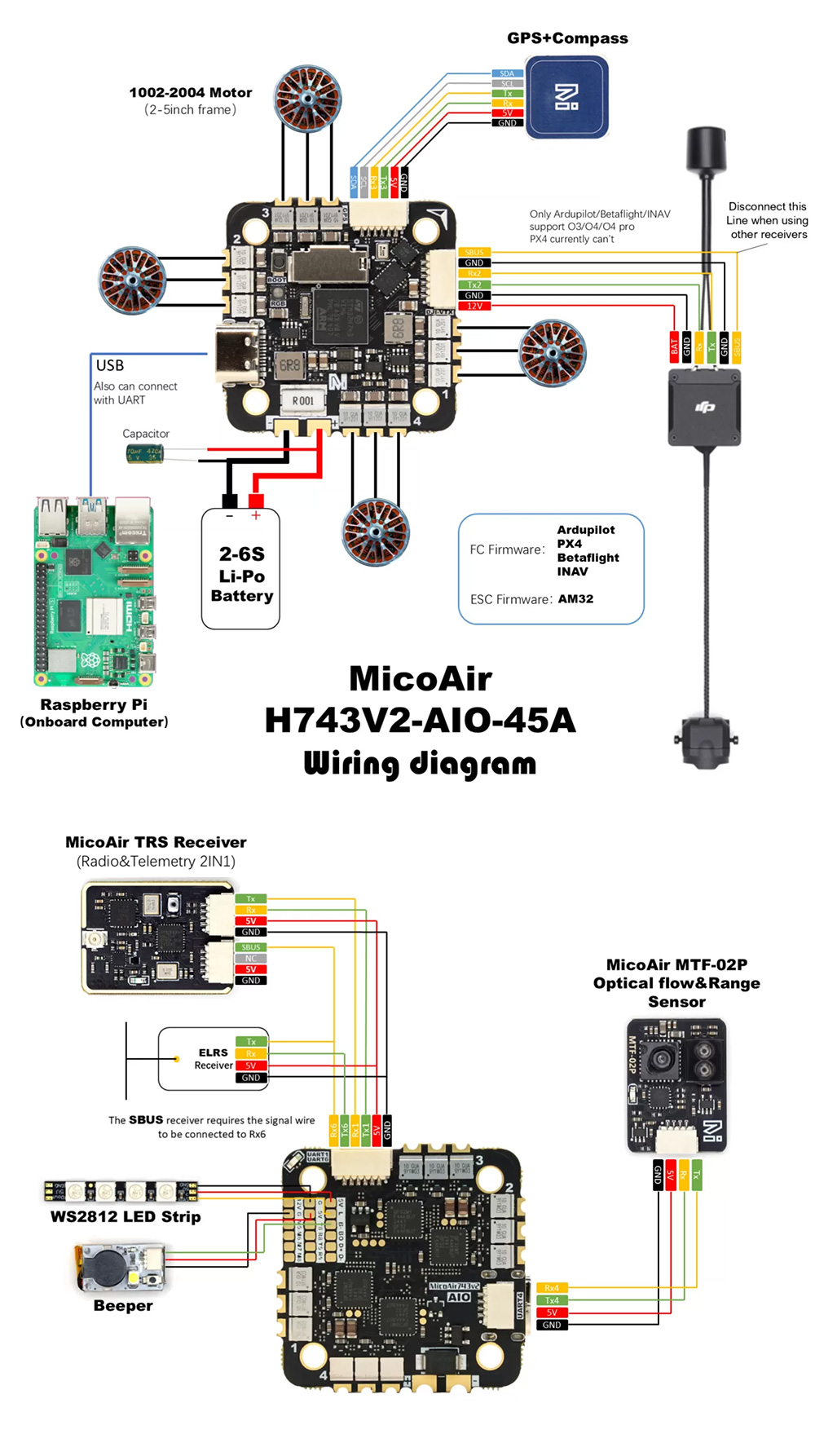
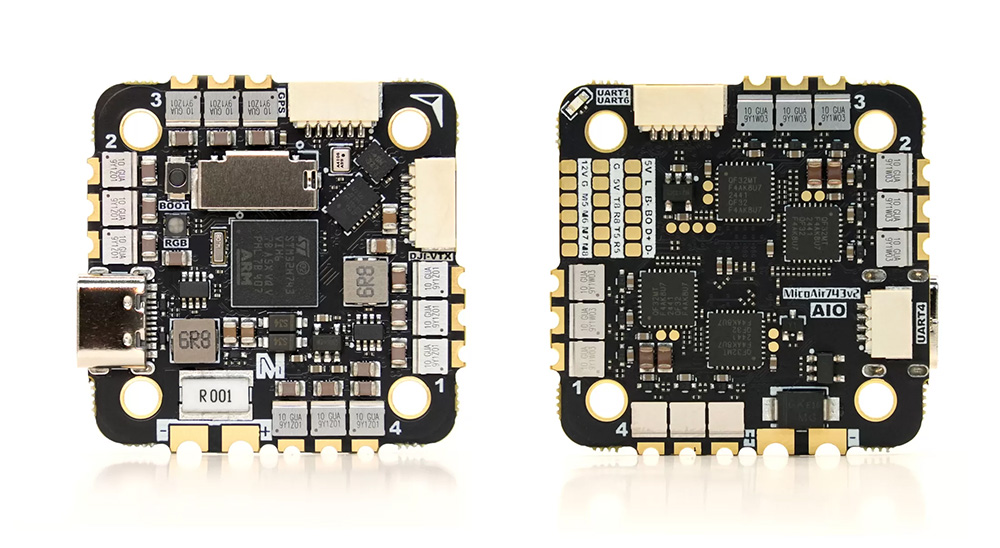
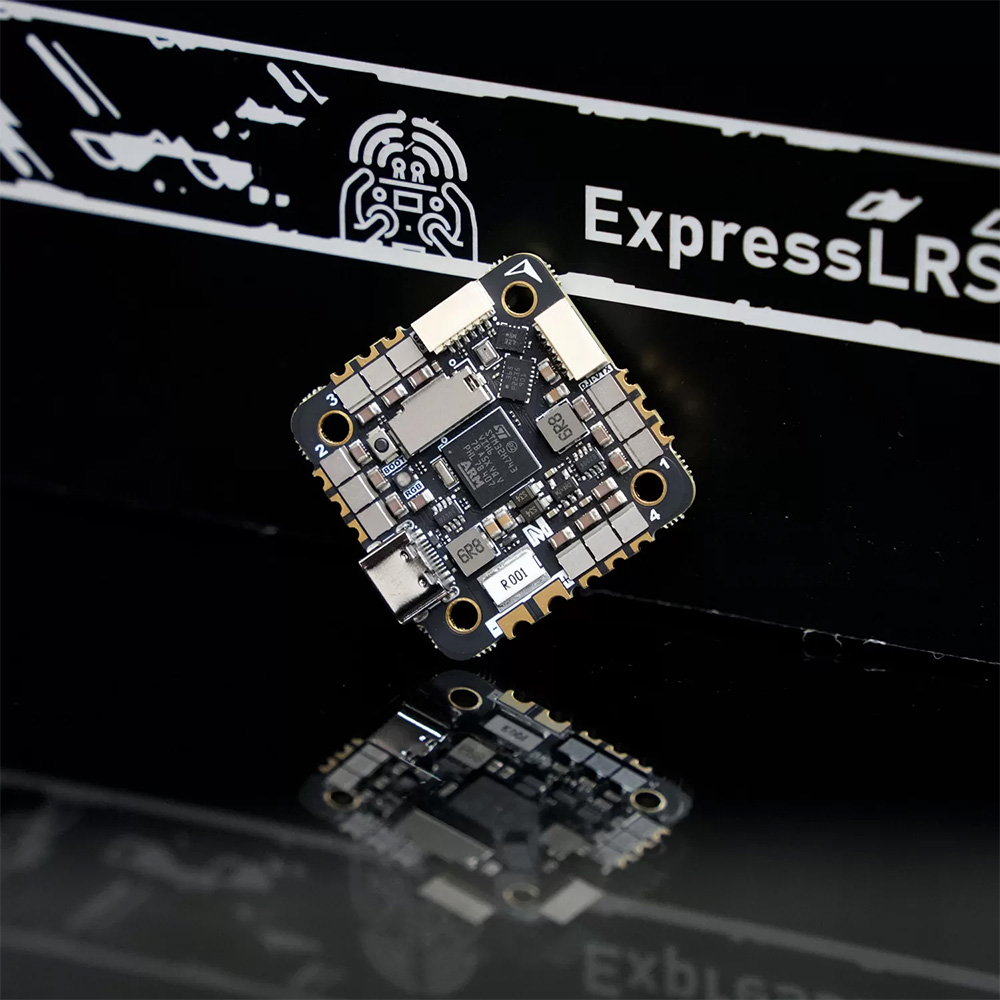
The default RC input is configured on the UART6. The SBUS pin is inverted and connected to RX6. Non SBUS, single wire serial inputs can be directly tied to RX6 if SBUS pin is left unconnected. RC could be applied instead at a different UART port such as UART2, UART4 or UART8, and set the protocol to receive RC data: SERIALn_PROTOCOL=23 and change SERIAL6 _Protocol to something other than 23.
OSD Support (Ardupilot)
The MicoAir743v2-AIO supports OSD using OSD_TYPE 5 (MSP_DISPLAYPORT).
VTX Support
The SH1.0-6P connector supports a DJI Air Unit / HD VTX connection. Protocol defaults to DisplayPort. Pin 1 of the connector is 12v so be careful not to connect this to a peripheral requiring 5v.
PWM Output
The MicoAir743v2-AIO supports up to 9 PWM outputs.
Channels 1-8 support DShot/bi-directional DShot.
(currently PX4&INAV not support BDShot function)
PWM output share grouped and every group must use the same output protocol:
1,2,3,4 are group 1
5, 6 are group 2
7,8, 11are group 3
Note: PWM11 is the “LED” pin. If this is configured for serial LED use then PWM 7 and 8 can only be used as serial LED also.
Compass
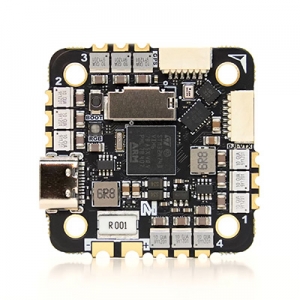
The MicoAir743v2-AIO doesn’t have a built-in compass sensor, but you can attach an external compass using I2C on the SDA and SCL connector.
Physical
Mounting: 25.5 x 25.5mm, Φ3mm
Dimensions: 36 x 36 x 8 mm
Weight: 10g
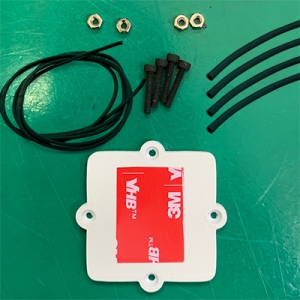
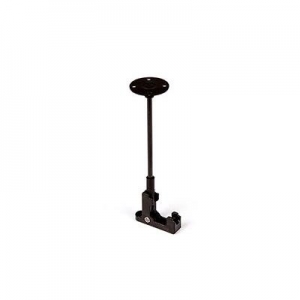
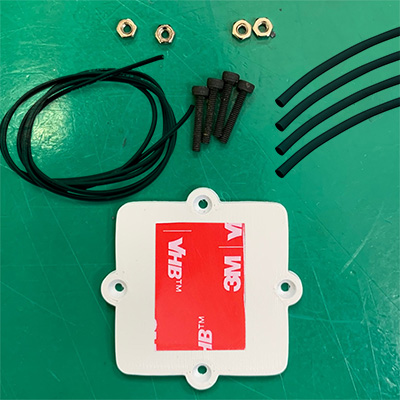
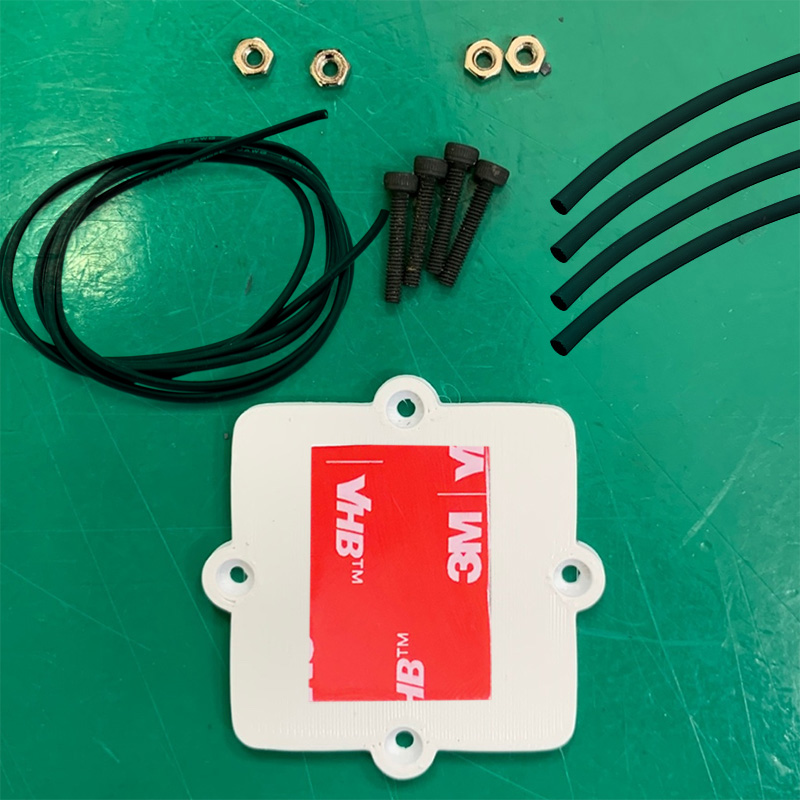
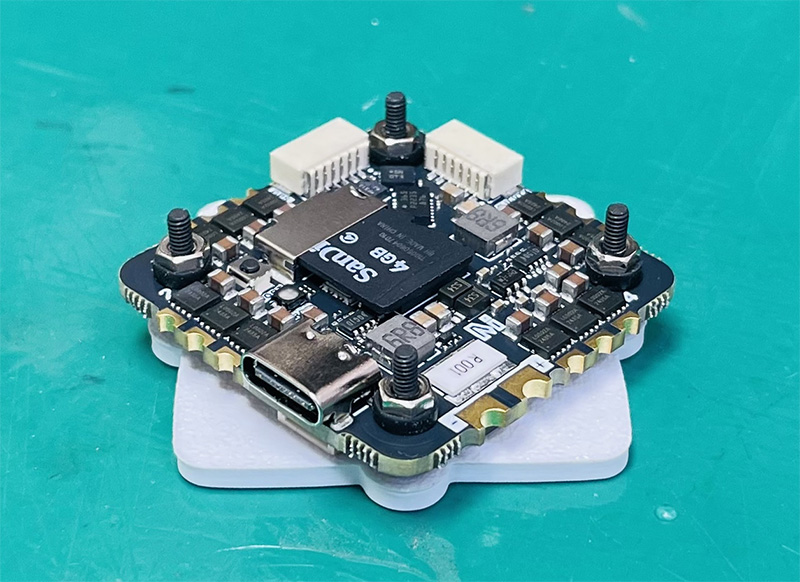
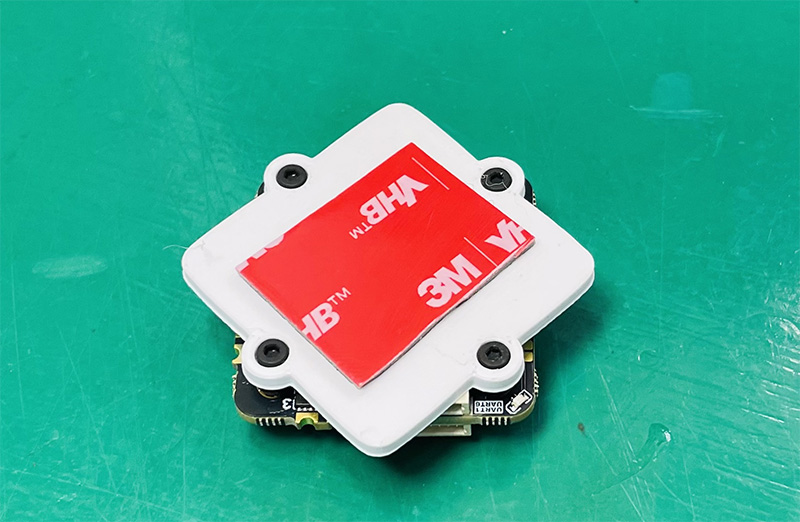
제품 구성품 3 : 25mm FC 고정용 마운트 셋트 (M2x12mm 볼트, M2 너트, 모터 연장선 포함)
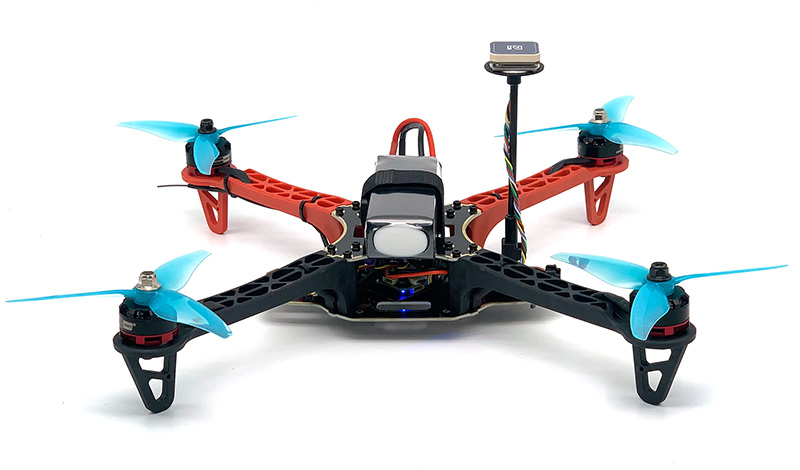
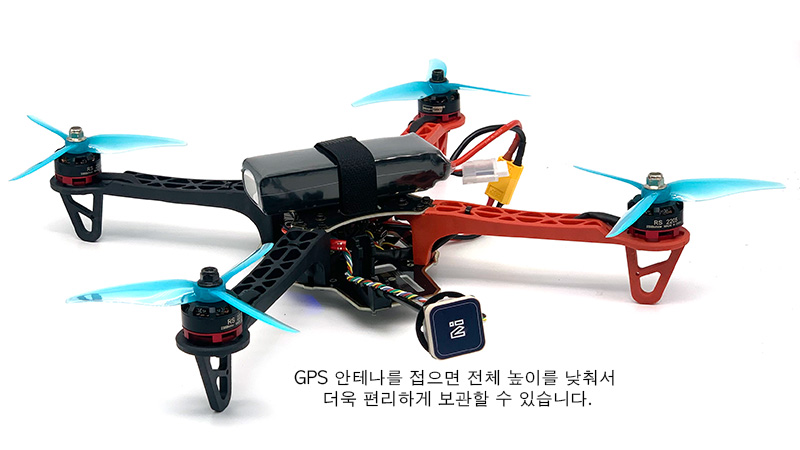
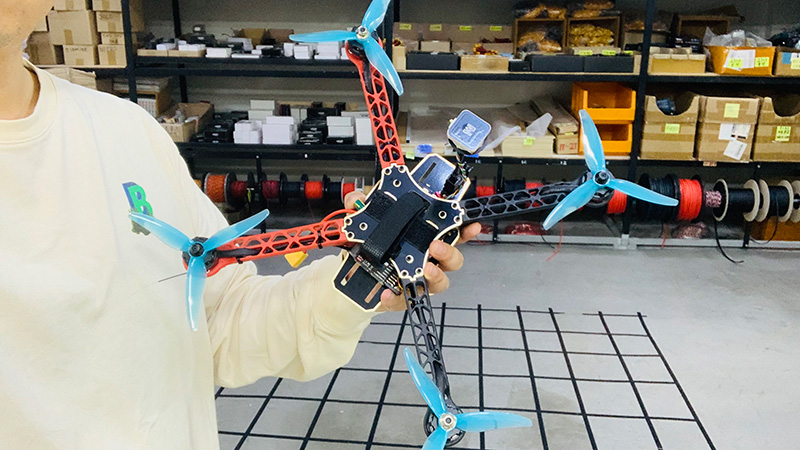
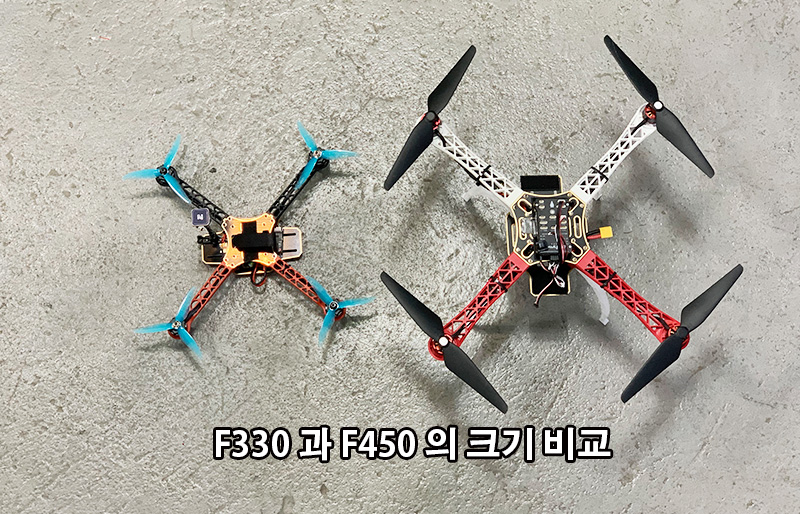
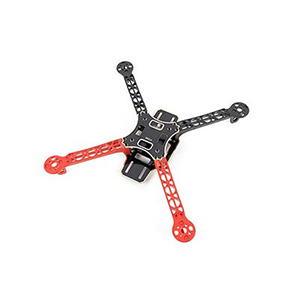
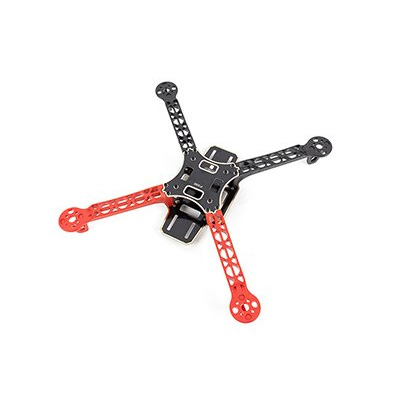
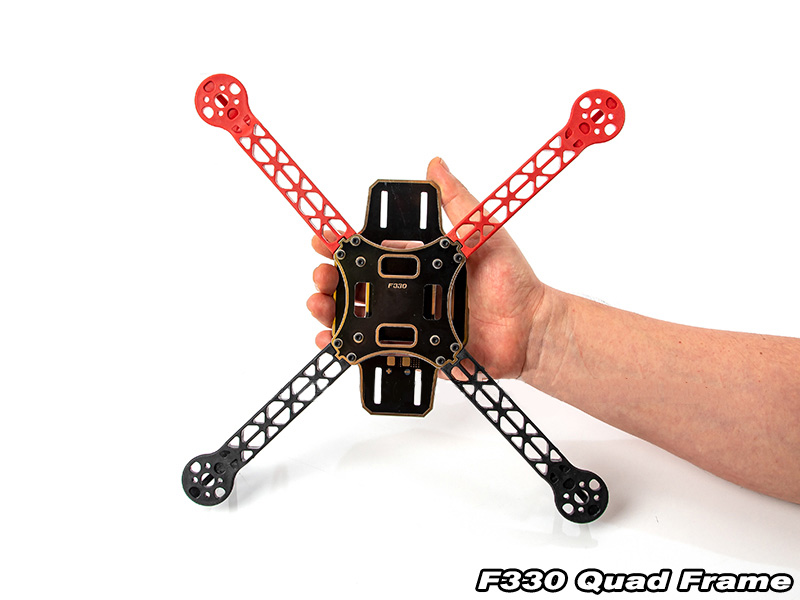
MicoAir AIO FC 를 F330 등의 프레임에 고정하기 위한 마운트 입니다.
3D 프린터로 출력하여 제작되므로, 출력 시기에 따라 색상이 변경될 수 있습니다.
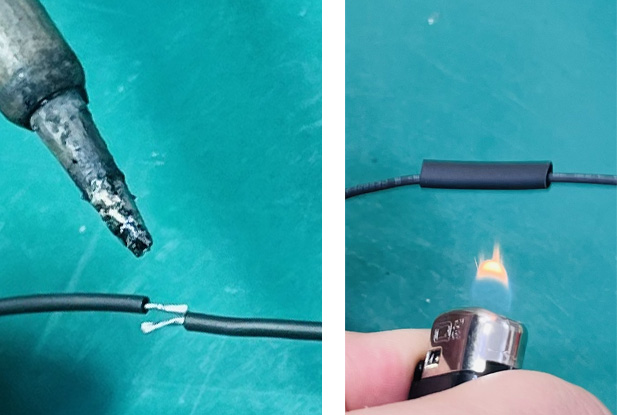
부착을 위한 양면 테이프 및 모터 선 연장을 위한 여분의 20AWG 실리콘 케이블 60CM 가 포함되어 있습니다.
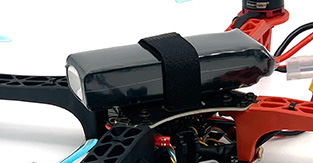
FC 에는 방진 댐퍼(고무)를 미리 삽입한 후, 동봉된 볼트/너트를 이용하여 FC 를 마운트에 고정합니다.
마운트 뒷면에 양면 테이프를 부착합니다.
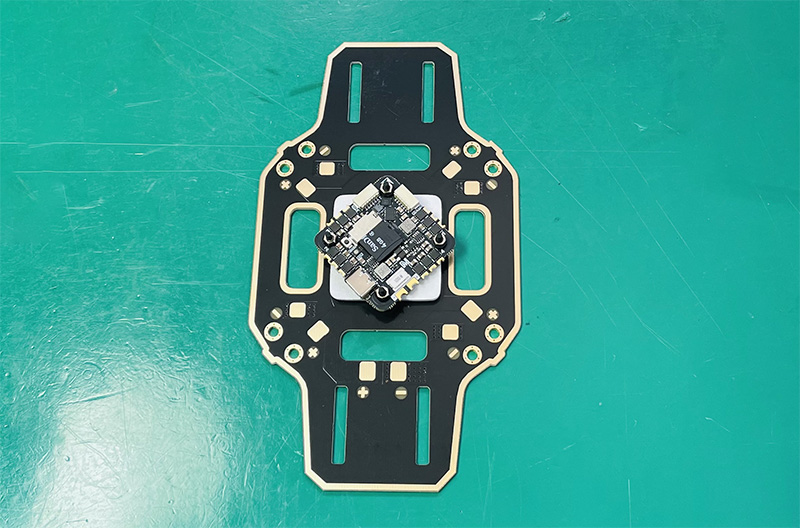
사진과 같이 프레임에 양면 테이프로 부착합니다.
FC 에는 화살표로 방향이 표시되어 있으므로, 알맞은 방향으로 부착합니다.
F330 셋트의 경우 프레임에 있는 납땜 패드는 사용하지 않으며, 납땜이 필요한 모든 전선은 FC 자체에 납땜합니다.
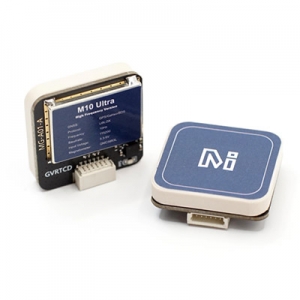
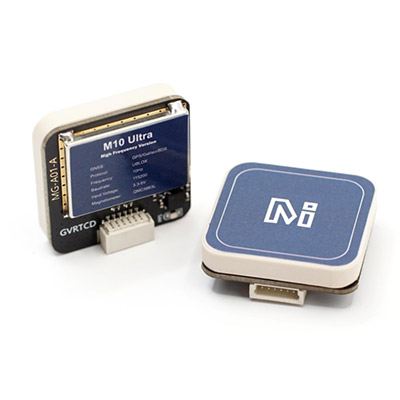
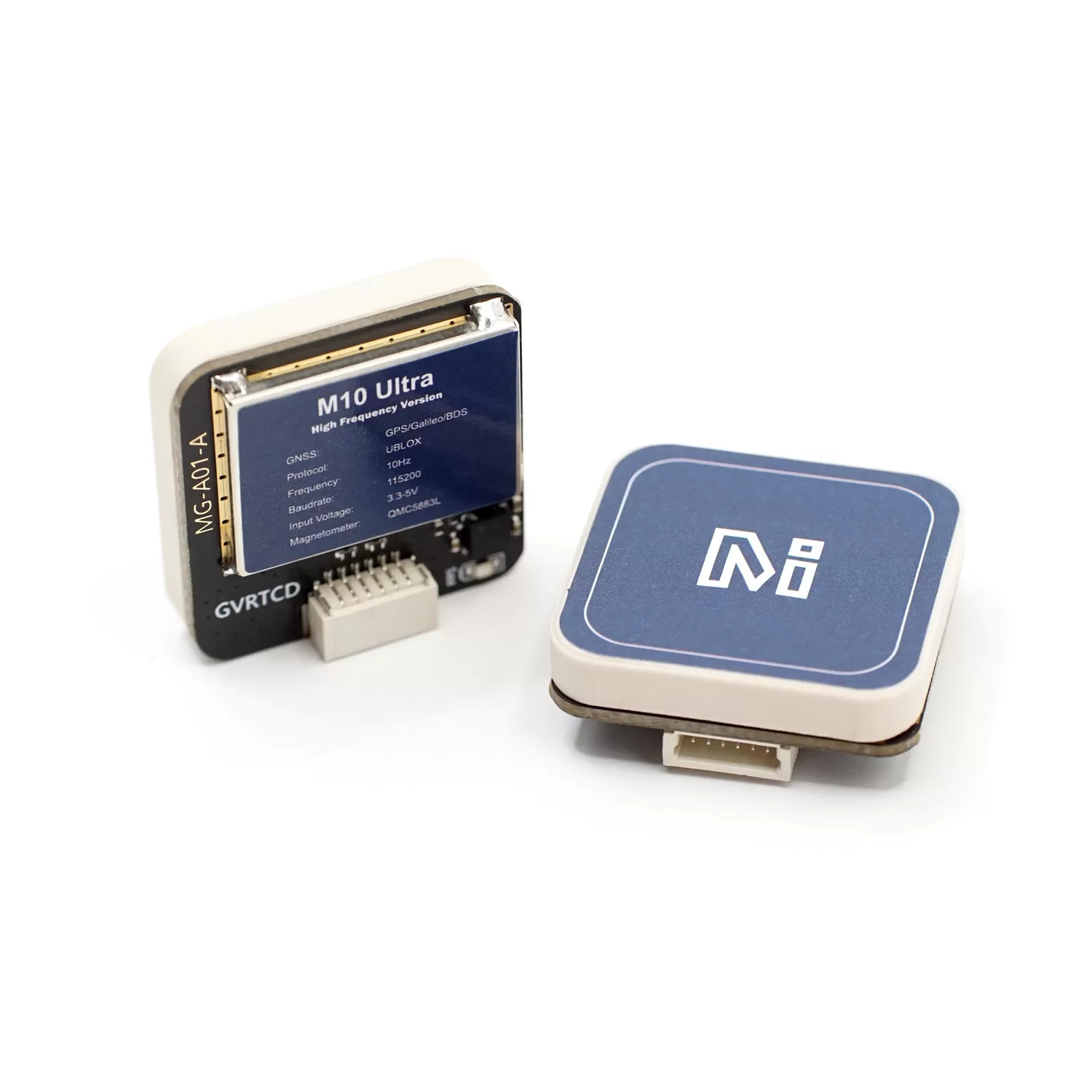
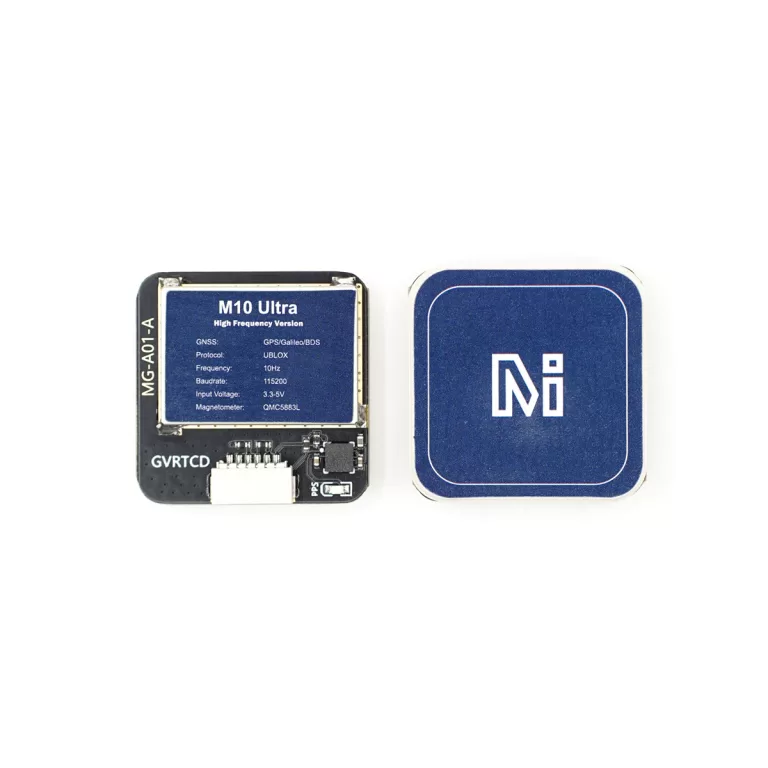
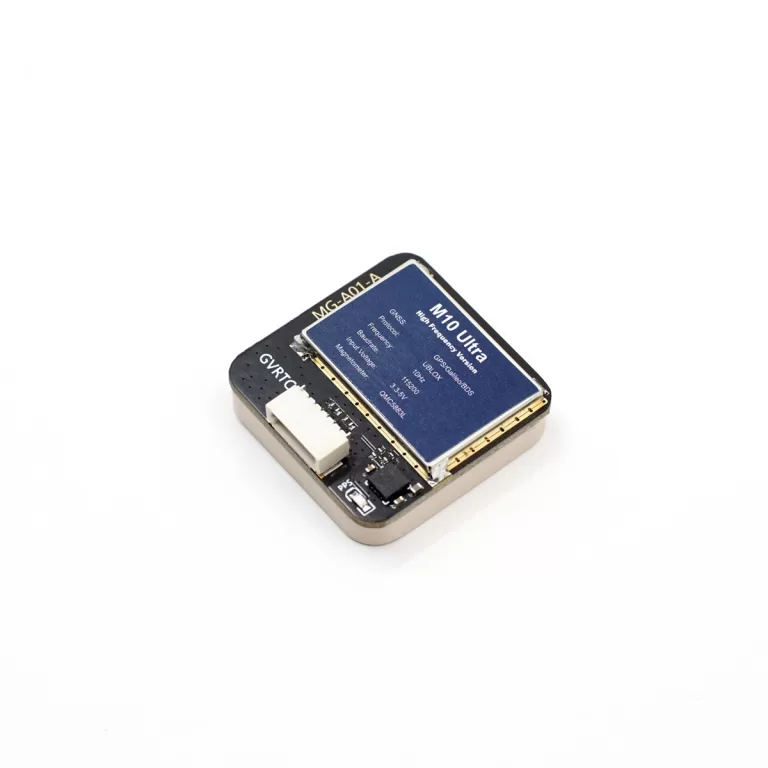
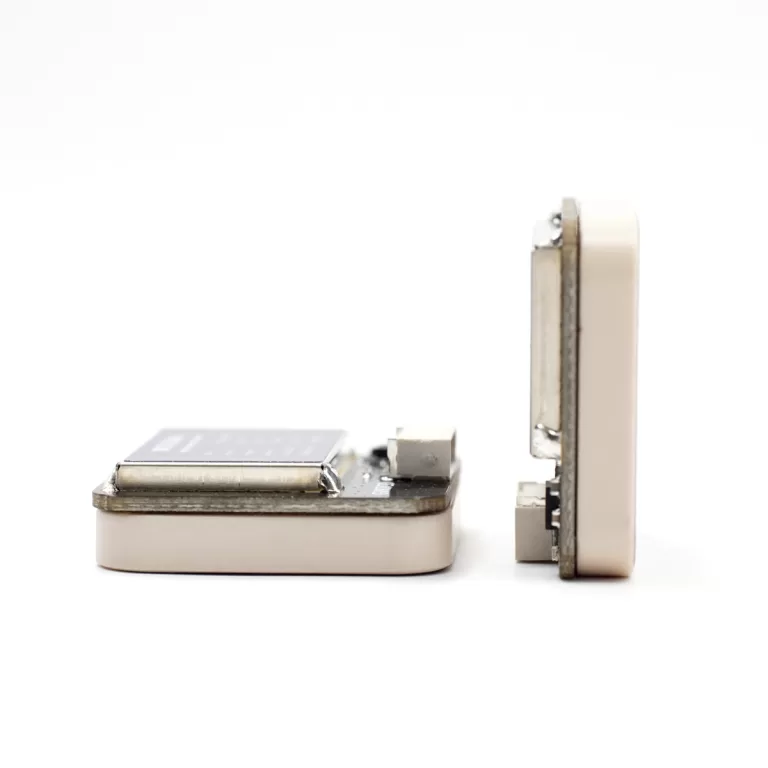
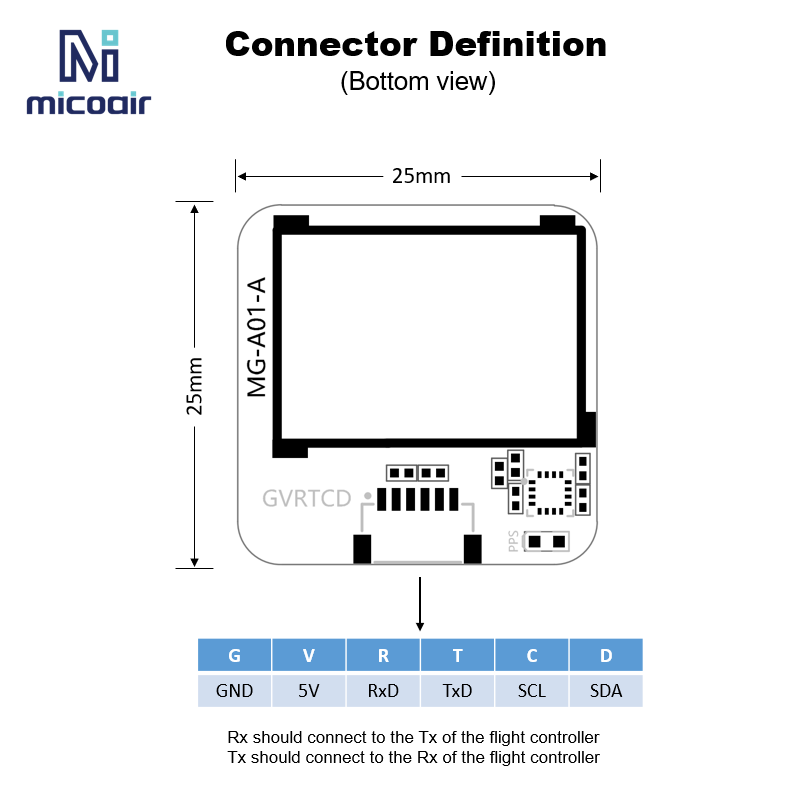
MG-A01(M10 Ultra) GNSS 모듈은 유블럭스 10세대 수신기 칩의 특수 버전인 M10050(정상보다 높은 주파수로 작동)과 자기 센서인 QMC5883L을 통합합니다. 모든 L1 GNSS 신호 (GPS/GLONASS/Galieo/BeiDou) 를 지원하며 최대 32개의 위성을 동시에 탐색에 사용할 수 있습니다.
고이득 25 x 25 x 4mm 패치 안테나는 최고의 성능을 제공합니다.
내장 플래시 , 모듈의 전원이 꺼진 경우에도 매개변수를 저장할 수 있습니다.
왜 M10 울트라인가?
우리 모두 알고 있듯이 M10은 더 높은 시작 속도, 포지셔닝 정확도 및 더 많은 위성을 갖춘 최신 세대의 GNSS 수신기입니다. 그러나 동시에 M10(5Hz)은 M8(10Hz) 및 M9(25Hz)에 비해 내비게이션 업데이트 속도를 희생합니다. 이 문제를 해결하기 위해 우리는 M10 칩의 Ultra 버전을 MG-A01에 통합했습니다. MG-A01은 더 높은 주파수로 실행되어 32개의 위성을 사용하면서 10Hz 내비게이션 업데이트 속도를 달성할 수 있습니다.
M10의 불안정한 내비게이션 업데이트 속도 문제를 해결하기 위해 ardupilot 개발자 팀은 BeiDou B1L 및 GLONASS를 끄고 위성 수를 강제로 제한했습니다. 실제로 그들은 아무런 변경 없이 M10 Ultra를 사용하기로 선택할 수 있었습니다.
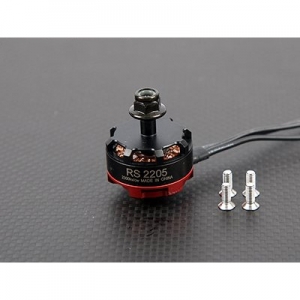
※ 주의 : 모터에는 CCW 로 표기되어 있으나, 실제로 프롭 어댑터가 은색인 정방향(CW) 제품입니다.
혼동을 방지하기 위해 알씨뱅크에서는 정방향(CW)으로 표기하고 있습니다.
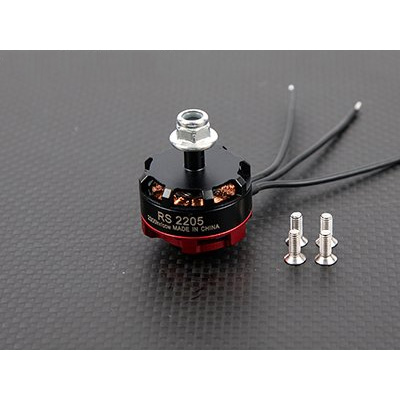
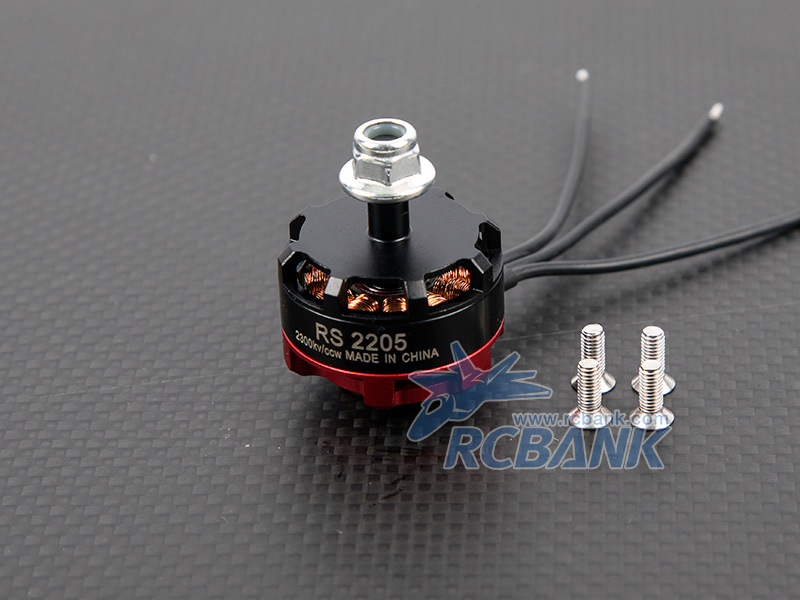
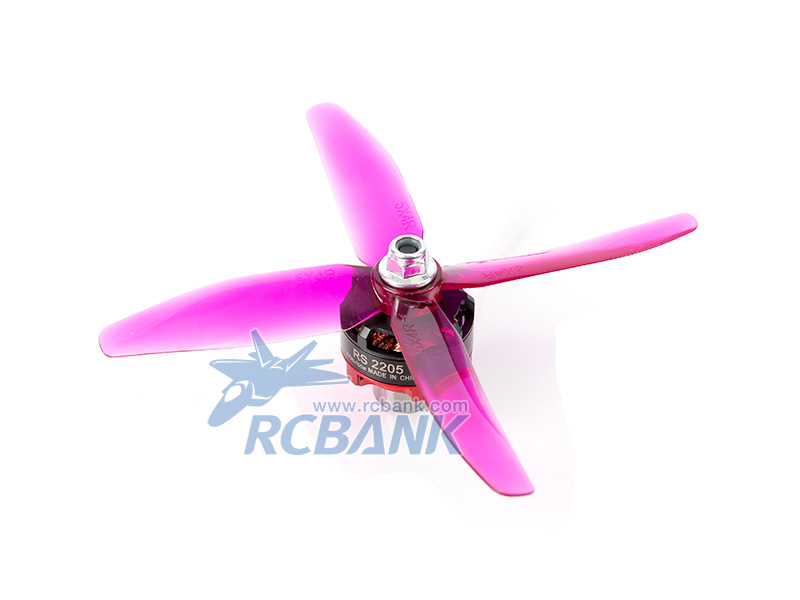
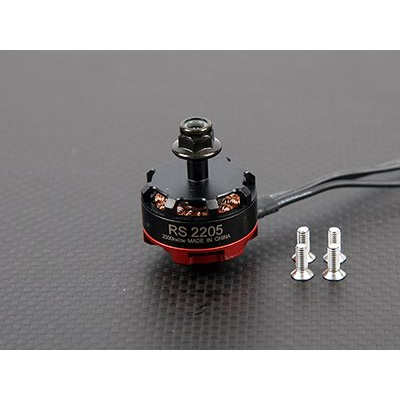
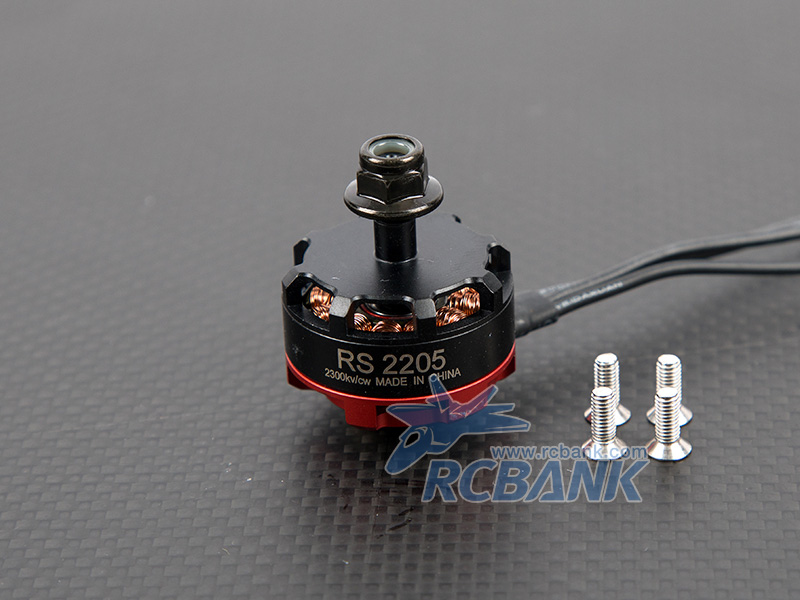
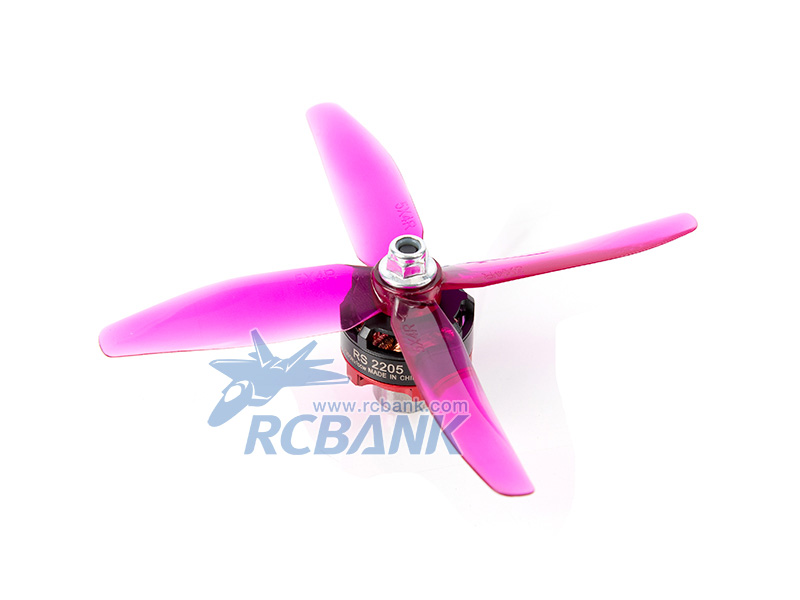
RTS RS2205 Race Spec Motors ;
Introducing the Emax Race Spec family of high performance brushless motors for multirotor FPV racing. Redesigned and engineered to perform better than most in it’s class, every motor is precision crafted within tight tolerances. Paired with performance driven props from any leading manufacturer will result in unreal thrust.
Cooling: The unique fins machined into the bell draw up cool air from the motor base and through the coils as the motor spools up. The faster it spins, the more air it ventilates. Cooling fins significantly reduce heat soak by at least 30%. This “cool” feature allows the RS2205 to not only have a longer lasting motor, but also harness the power of N52 magnets.
N52 Magnets: Uses the highest grade magnets. Better acceleration, stopping power, and sustained RPMs during high kv.
Bearings: Genuine Japanese NMB Bearings provide long lasting, smooth performance.
Thrust: Produces over +1,000g of thrust using 4S and GF5045BN.
Key Features: - 1K+ Thrust with 4s battery and recommend propeller combo - Cooling Series Bell Design reduces motor temperature by at least 30% - Highest Grade N52 Neodymium magnets - Genuine Japanese NMB Bearings - Each Motor is Dynamically Balanced in the factory. - 15mm Extended Prop Shaft allows virtually any prop with 5mm hole.
Windings made from copper of high purity
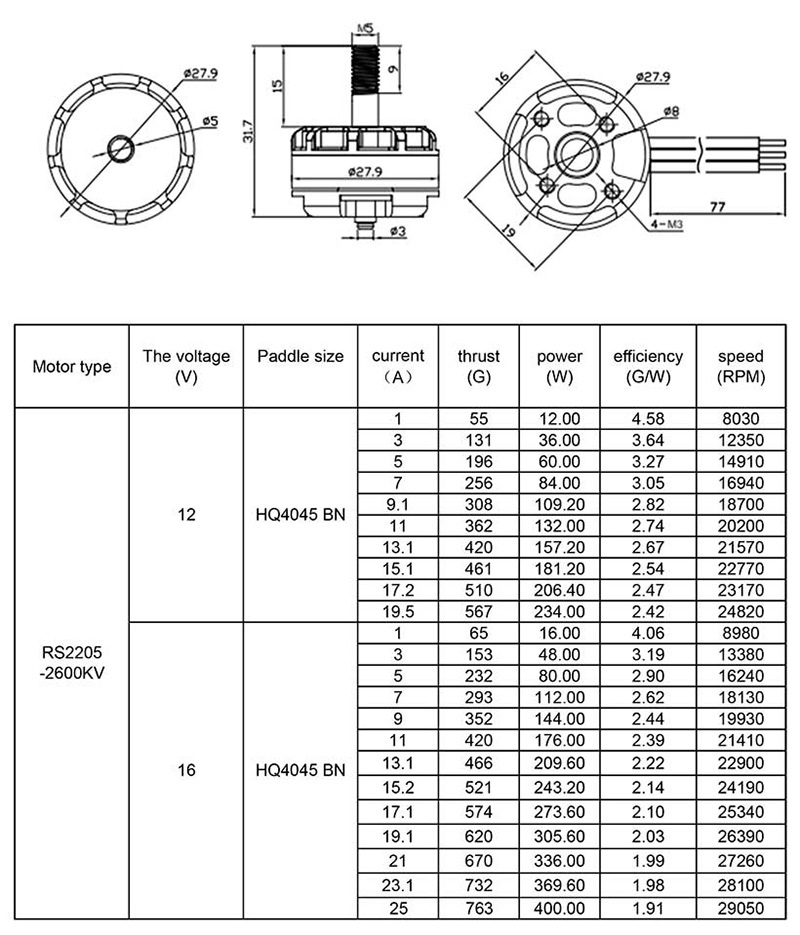
- Model: RS2205
- KV: 2300kv
- Weight: Approx. 30g with wires
- Wire AWG: 20AWG
- Stator Diameter: 22mm
- Stator Height: 5mm
- Shaft Diameter: 3mm
- Configuration: 12N14P
- Motor Diameter: 27.9mm
- Motor Height: 31.7mm
- Prop Adapter Shaft Thread: M5
- Input voltage: 3S-4S (12.6 - 16.8v)
- KV2300 With HQ5045 BN Max.thrust:1024g
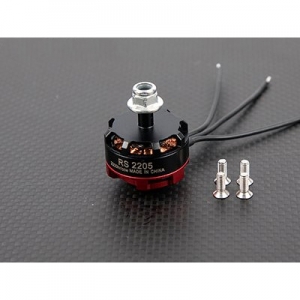
제품 구성품 7 : [RTS] RS2205-2300KV 레이싱드론용 역방향 모터
[RTS] RS2205-2300 Race Spec' Motor(2300KV/CCW)
현존 최고의 출력 특성을 자랑하는 RTS사의 레이싱 드론용 RS2205 컴피티션 파워 시스템!
일반적인 저가형 P-Type 네오디움이 아닌 N-Type(N52) 네오디움 자석을 채용, 아울러 일본산 MineBee(NMB) 베어링이 기본사양으로 탑재, 또한 하드한 추락에도 휘지 않고 버틸 수 있도록 고주파 열처리된 Hollow(중공) 방식의 탄소강 샤프트를 채용!
※ 주의 : 모터에는 CW 로 표기되어 있으나, 실제로 프롭 어댑터가 검정색인 역방향(CCW) 제품입니다.
혼동을 방지하기 위해 알씨뱅크에서는 역방향(CCW)으로 표기하고 있습니다.
RTS RS2205 Race Spec Motors ;
Introducing the Emax Race Spec family of high performance brushless motors for multirotor FPV racing. Redesigned and engineered to perform better than most in it’s class, every motor is precision crafted within tight tolerances. Paired with performance driven props from any leading manufacturer will result in unreal thrust.
Cooling: The unique fins machined into the bell draw up cool air from the motor base and through the coils as the motor spools up. The faster it spins, the more air it ventilates. Cooling fins significantly reduce heat soak by at least 30%. This “cool” feature allows the RS2205 to not only have a longer lasting motor, but also harness the power of N52 magnets.
N52 Magnets: Uses the highest grade magnets. Better acceleration, stopping power, and sustained RPMs during high kv.
Bearings: Genuine Japanese NMB Bearings provide long lasting, smooth performance.
Thrust: Produces over +1,000g of thrust using 4S and GF5045BN.
Key Features: - 1K+ Thrust with 4s battery and recommend propeller combo - Cooling Series Bell Design reduces motor temperature by at least 30% - Highest Grade N52 Neodymium magnets - Genuine Japanese NMB Bearings - Each Motor is Dynamically Balanced in the factory. - 15mm Extended Prop Shaft allows virtually any prop with 5mm hole.
Windings made from copper of high purity
- Model: RS2205
- KV: 2300kv
- Weight: Approx. 30g with wires
- Wire AWG: 20AWG
- Stator Diameter: 22mm
- Stator Height: 5mm
- Shaft Diameter: 3mm
- Configuration: 12N14P
- Motor Diameter: 27.9mm
- Motor Height: 31.7mm
- Prop Adapter Shaft Thread: M5
- Input voltage: 3S-4S (12.6 - 16.8v)
- KV2300 With HQ5045 BN Max.thrust:1024g
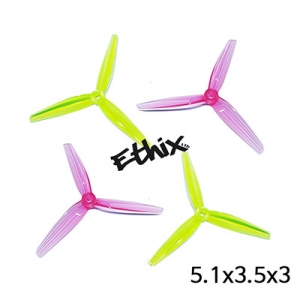
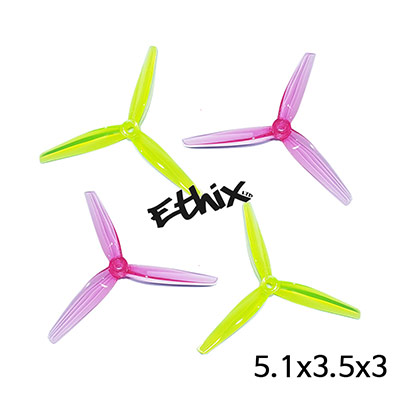
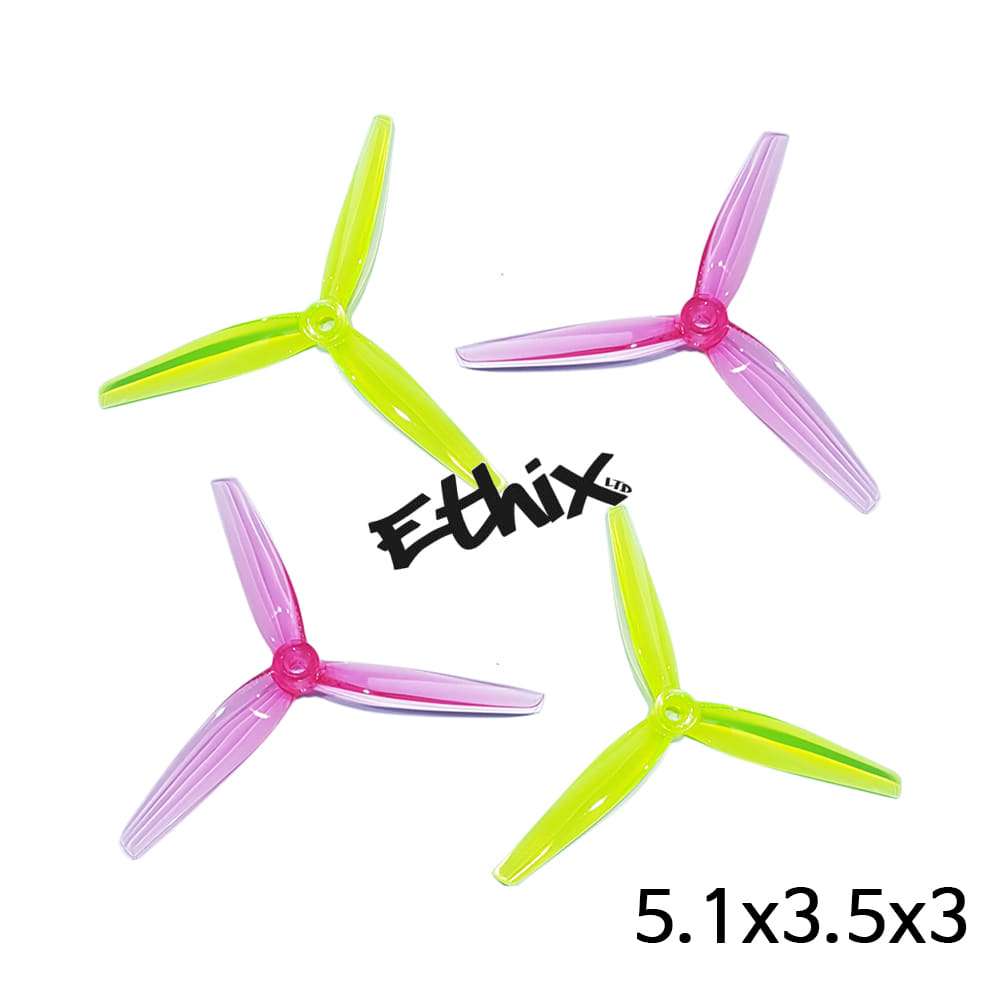
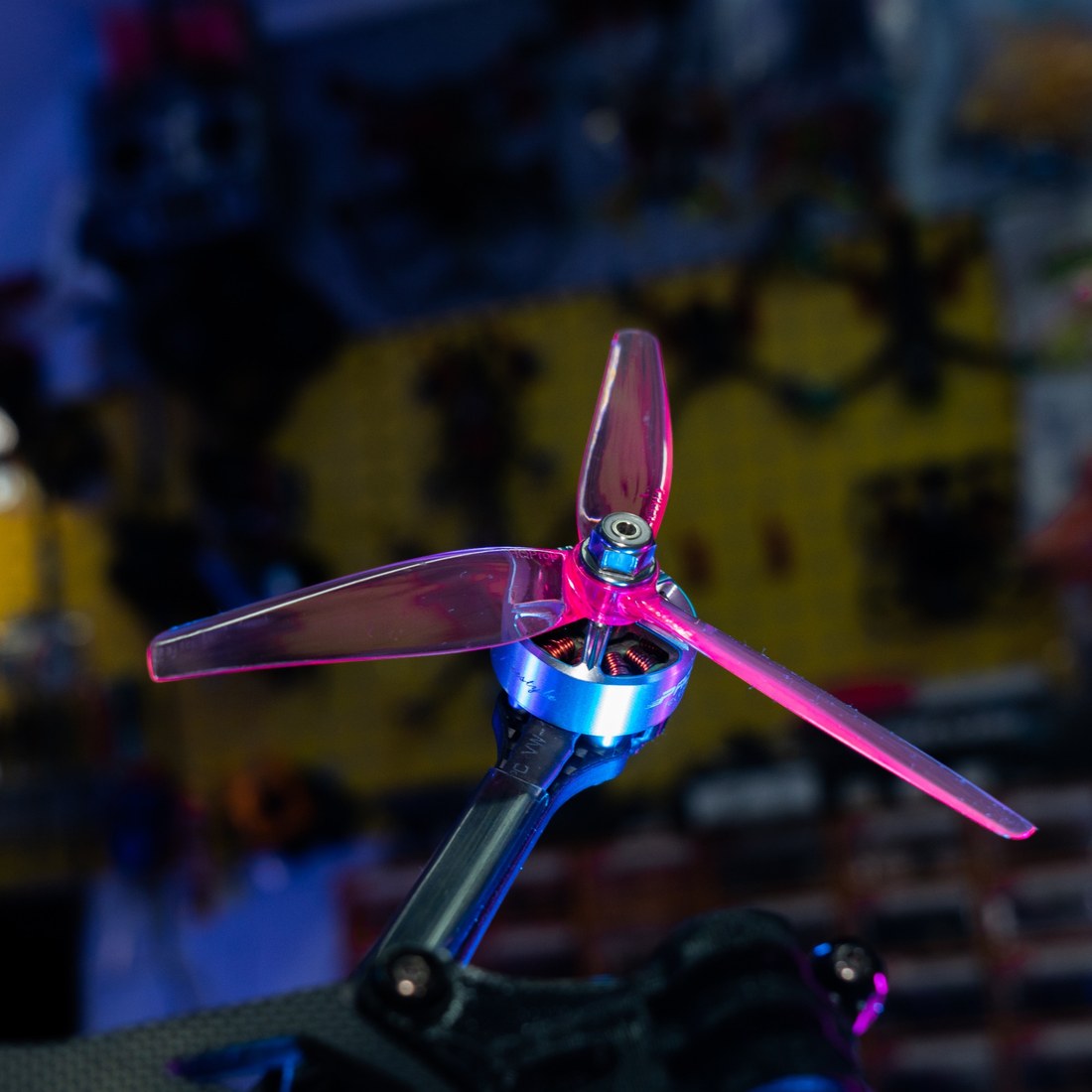
제품 구성품 8 : [ETHIX] P3.5 (5.1x3.5) 프로펠러
Ethix P3.5 Propeller
- ETHIX 5.1인치 프로펠러입니다.
- 내구성도 아주 좋습니다.
구성
프로펠러 1대분(정피치2개, 역피치2개)
SPECIFICATION
Propeller Diameter: 5.1 inch Pitch : 3.5 Blades : 3 Material : Poly Carbonate Weight :3.5g Hub Diameter :12.5mm Hub Thickness:6mm Shaft :5mm Adaptor Rings : NO
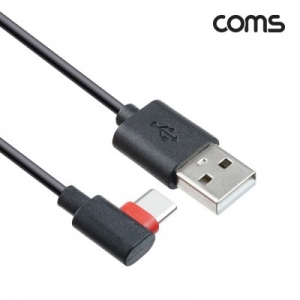
제품 구성품 9 : USB Type-C 1M 측면 꺾임 케이블
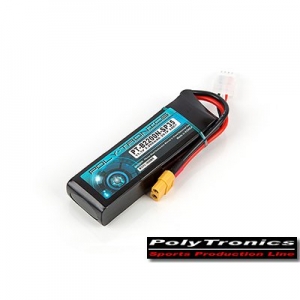
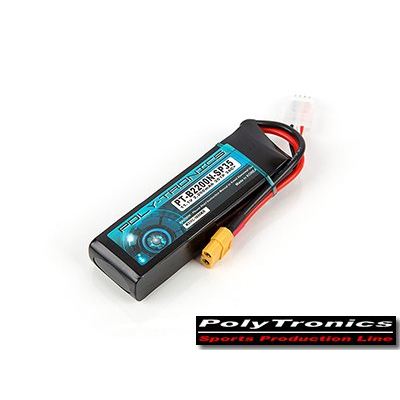
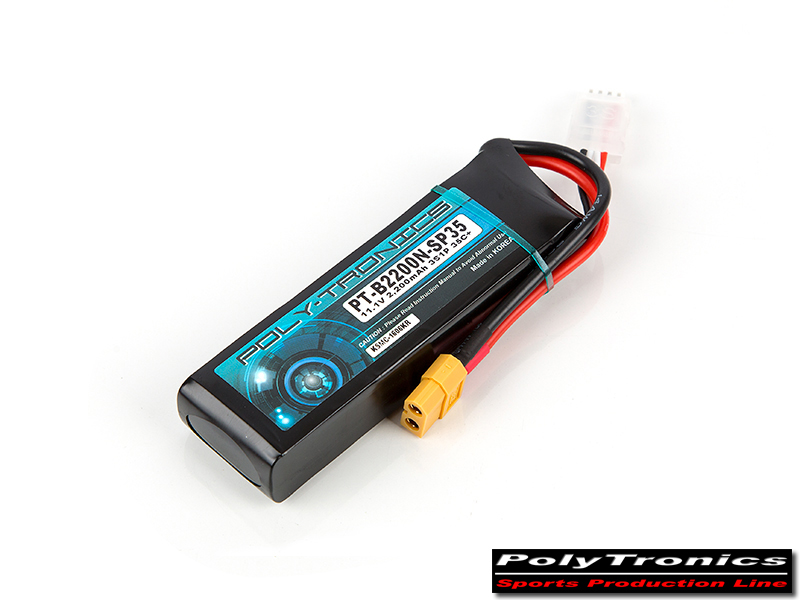
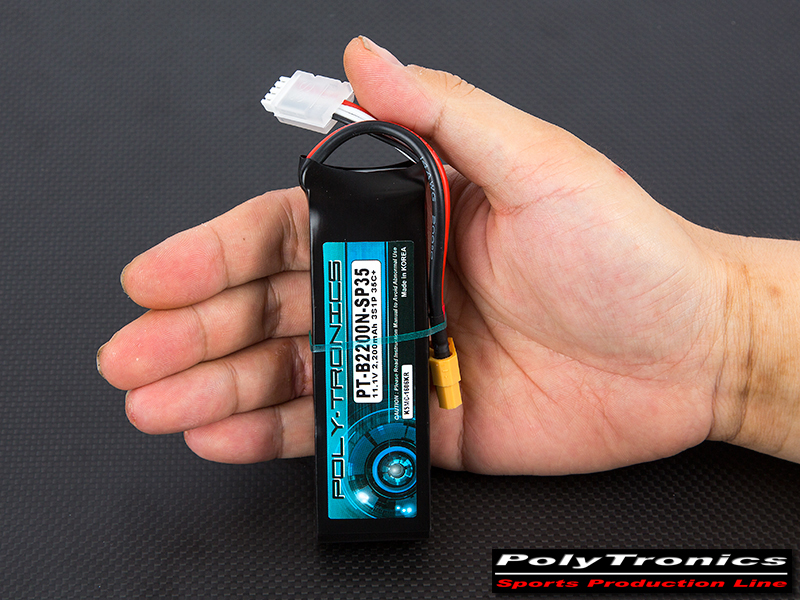
제품 구성품 10 : PT-B2200N-SP35 (11.1V, 3S1P, 35C+/JST-XT) 리튬폴리머 배터리 - XT60
Poly-Tronics 7th Generation 2,200mAh (11.1V, 3S1P, 35C+/JST-XT) - Slim Line
7세대 리튬 폴리머 전지 Poly-Tronics UFW Series!
Polytronics Brand 런칭 10주년 기념 세번 째 이벤트!
파격 특가에 2,000Pack 한정으로 발매 됩니다.
새롭게 진화한 Poly-Tronics Evolution-7 Series는 독자적인 Hybrid RS Construction TechnologyTM를 이용, 고품질 Substrate 및 엄격한 ISO9001 QC를 통해 엄선된 Cell들 중 IR(Internal Resistance)값이 동일한 Cell 만을 선별, Matched Pack 사양으로 제조가 됩니다.
기존 Prolite 시리즈와 마찬가지로 Cycling 특성이 매우 우수하며(Normal Environment에서 200Cycle 이상), 현존하는 고출력 리튬 폴리머 전지 중 가장 높은 에너지 밀도를 가진 배터리로서 최상의 품질과 뛰어난 방전율( 30C, 35C, 45C, 65C Full Line Up)을 자랑하는 최고급 배터리입니다.
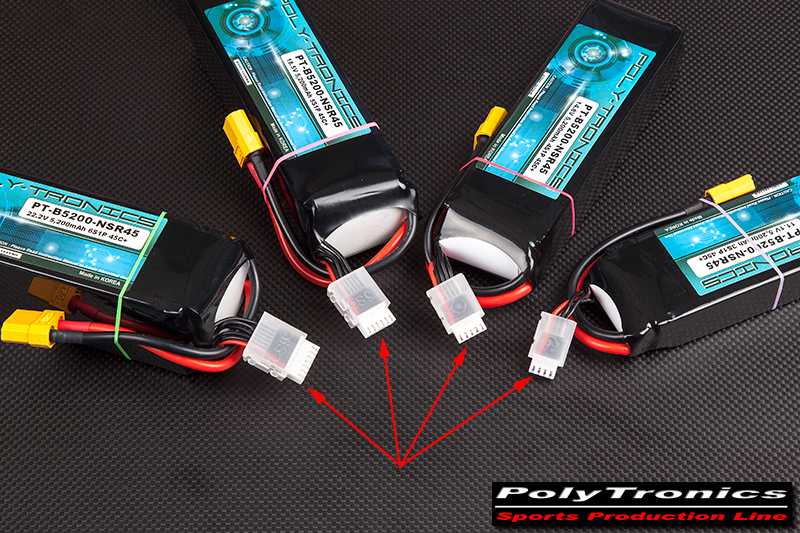
Call Balancer Connector는 유럽 표준규격 JST-XTTM 커넥터로 출고, 현존 충전기의 표준으로 각광 받는 SJ/Graupner 충전기와 100% 호환성을 유지 합니다.
신형 JST-XT 컨넥터는 커넥터 터미널을 보호하기 위해 전용 Connector Protection Case와 함께 공급됩니다.
XT60 컨넥터가 기본 사양으로 출고 됩니다.
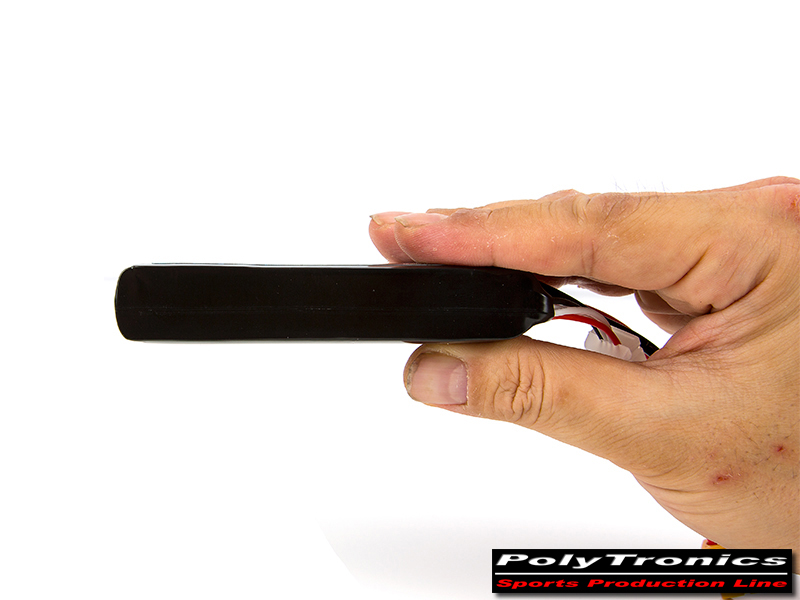
Neo Slim Line!
동급 배터리 중 가장 슬림한 두께를 가지고 있습니다.
새롭게 출시되는 PolyTronics LiPo Line-Up은 JST-XT Balance Connector로 출시되며 전용 Protection Housing과 함께 공급됩니다.(3S~6S)
전용 JST-XT Protection Housing은 Balancer Board에 연결시 매우 편리하게 연결 할 수 있도록 구성되어 있으며, 기존 제품과는 달리 핀 헤더를 충격 등에서 보호 할 수 있도록 PE 소재로 되어 있습니다.
PT-B2200N-SP35 (11.1V, 3S1P, 35C+)
No
Item
Spec'
비고
1
크기(W*H*D)
33*107*24.5
mm
2
무게(g)
176g
SiliconWire, MPT Conn' 포함
3
전압(Volt)
11.1V
기준전압
4
만충전압(Volt)
4.2±0.03V
개별 Cell 전압
5
Cut-Off 전압
2.8V
6
용량(mAh)
2,200mAh
7
충전 전류
Max 5C
Coulomb
8
방전율(C)
연속 : 35C
Coulomb
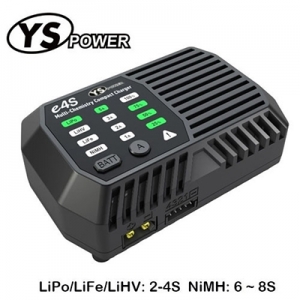
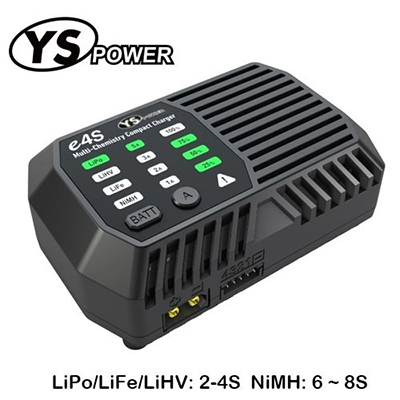
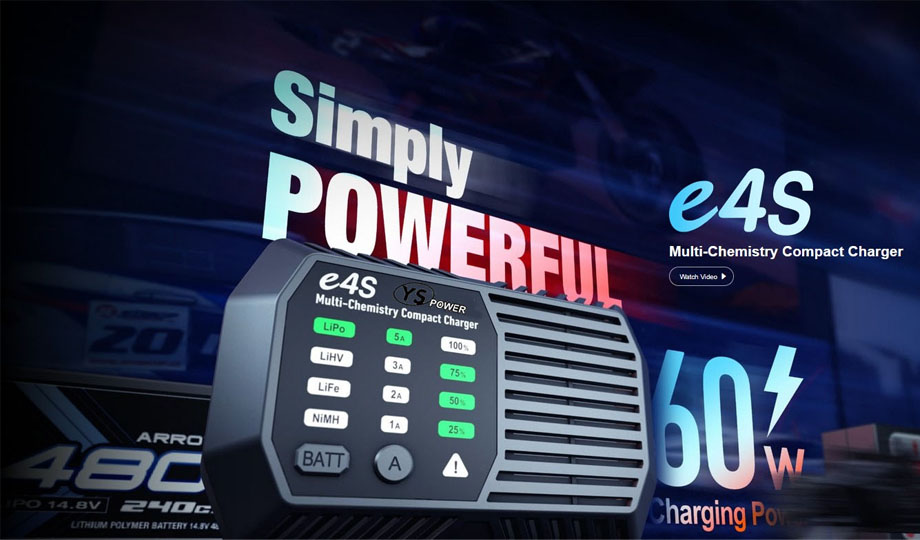
제품 구성품 11 : [YS POWER] e4S 멀티 케미스트리 파워 서플라이 내장 충전기 (60W 5A)
KC인증번호:R-R-yon-e4S
안전인증번호:HU071390-21015A
YS POWER e4S AC Charger 60W 5A 4S LiPo/LiFe/LiIon/LiHV
(아래사진은 실물과 조금 상이할수도있습니다)
e4S는 상징적인 e450을 기반으로 내외부 모두 완전히 새롭게 진화했습니다.
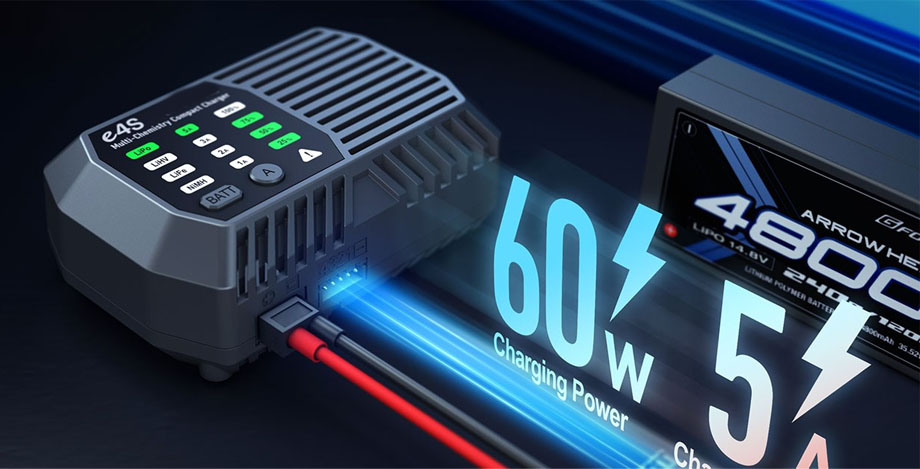
60W의 출력과 최대 5A의 충전 전류를 제공하는 이 충전기는 간편한 버튼 조작과 정교한 알고리즘을 결합하여 정확하고 손쉬운 충전을 가능하게 합니다.
2~4S LiPo 및 6~8S NiMH 배터리용으로 설계된 e4S는 e455의 명성을 더욱 강력하게 계승합니다.
e4S 충전기는 다양한 배터리 종류를 정밀하고 간편하게 관리할 수 있도록 전문적으로 설계되었습니다.
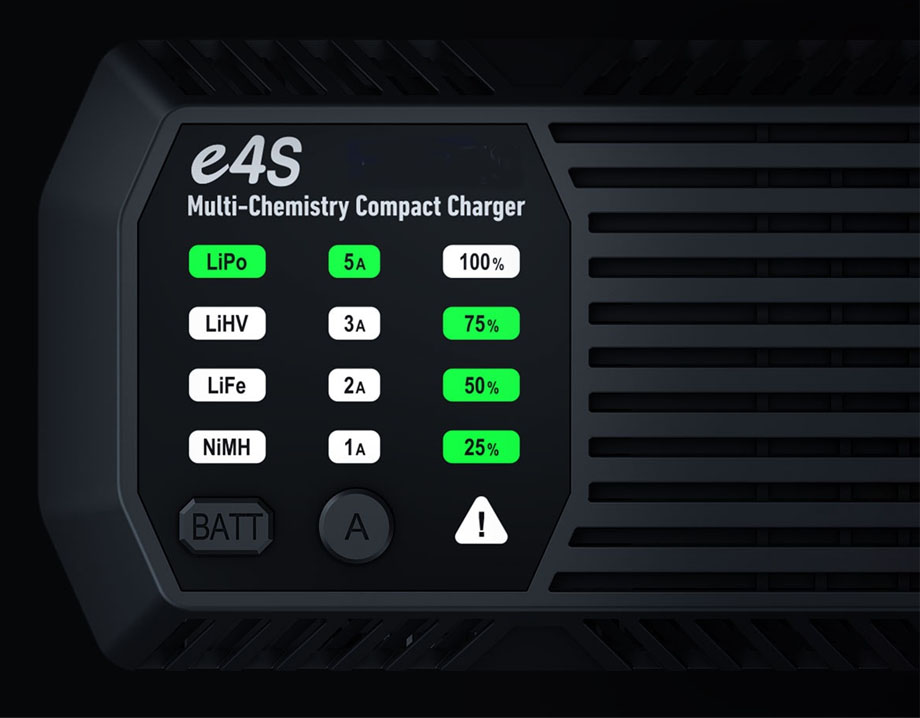
LiPo(리튬 폴리머): 고성능 에너지로 까다로운 작업에 적합, LiHV(고전압 리튬 폴리머): 고전압 효율로 확장된 용량 제공, LiFe(리튬 인산철): 뛰어난 내구성과 탁월한 안전성, NiMH(니켈 금속 수소화물): 최고의 안전성과 긴 수명 보장
e4S 충전기는 100V~240V 범위에서 원활하게 작동하며 전 세계 전력 표준에 맞춰 사용할 수 있습니다.
어디를 가든 충전할 준비가 되어 있어 언제 어디서든 편리하게 사용할 수 있습니다.
e4S 충전기의 컬러 LED 표시등은 충전 진행 상황을 명확하고 직관적으로 확인할 수 있도록 해줍니다.
간편하고 매끄러운 모니터링으로 충전 상태를 손쉽게 확인할 수 있습니다.
사양:
크기 및 무게 케이스 재질: 플라스틱 케이스 크기: 110x70x38mm 무게: 약 169g 전원 입력: AC 100V-240V 50/60Hz 충전 전력: 60W 배터리 배터리 종류/셀: LiPo/LiHV/LiFe: 2-4S NiMH: 6-8S 충전 충전 전류: 1A/2A/3A/5A 밸런싱 전류: 최대 500mA 차단 전압 LiPo: 4.20V LiFe: 3.65V LiHV: 4.35V 작동 및 보관 작동 온도: 0℃-40℃ 작동 습도: 0%-75% RH (비응축) 보관 온도: -10℃-70℃ 보관 습도: 0%-75% RH (비응축)
경고 및 안전 참고 사항
►본제품은 사용방법을 정확히 숙지하고 사용해야하는 제품으로 사용상 부주의로 인해 화재등 위험한 상황이 발생할수있습니다.특히 어린이가 본제품을 사용하지않도록 주의바랍니다.
► 함께준비된 전원코드가 손상된 경우 위험을 방지하기 위해 제조업체, 해당 서비스 요원 또는 이와 유사한 자격을 갖춘 사람이 공급 코드를 교체해야 합니다.
► 본제품은 LiPo/LiFe/LiHV/NiMH 배터리를 충전하는데 적합합니다. 충전할수없는 배터리를 재충전하 려고 하지 마십시오. 다른 유형의 배터리를 충전하면 화재 또는 폭발의 원인이 될수있습니다.
►충전기가 전원 공급 장치에 연결되어 있을 때는 절대 사람이 확인할수없는곳에 방치해두지 마시고 충전상황을 항상 주시해야합니다.
►허용 AC 입력 전압은 100-240V AC입니다. 절대 다른 전압에 연결하지 마십시오.
►충전기를 먼지, 먼지 및 습기로부터 보호하십시오.(내부 쇼트의 원인이 될수있습니다.)
►충전기와 충전기에 연결된 배터리는 어떠한 형태의 가연성 표면에도 두지 마십시오. 가연성 물질 또는 가스 주변에서 충전기를 작동하지마십시오.
►충전중에 배터리는 환기가 잘되는 곳에 보관해야 합니다. 충전기를 카펫이나 유사한 표면에 놓지마십시오.
►배터리 극성을 올바르게 유지하고 쇼트 회로를 피하도록 세심한 주의를 기울이십시오. 배터리 제조업체의 지침을 읽고 엄격히 준수하십시오.
►충전기는 접지된 콘센트에만 연결해야 합니다.
► 공급 주전원 연결은 캐러밴 및 유사 차량에 장착하기 위한 배터리 충전기의 경우 국가 배선 규칙에 따라야 합니다.
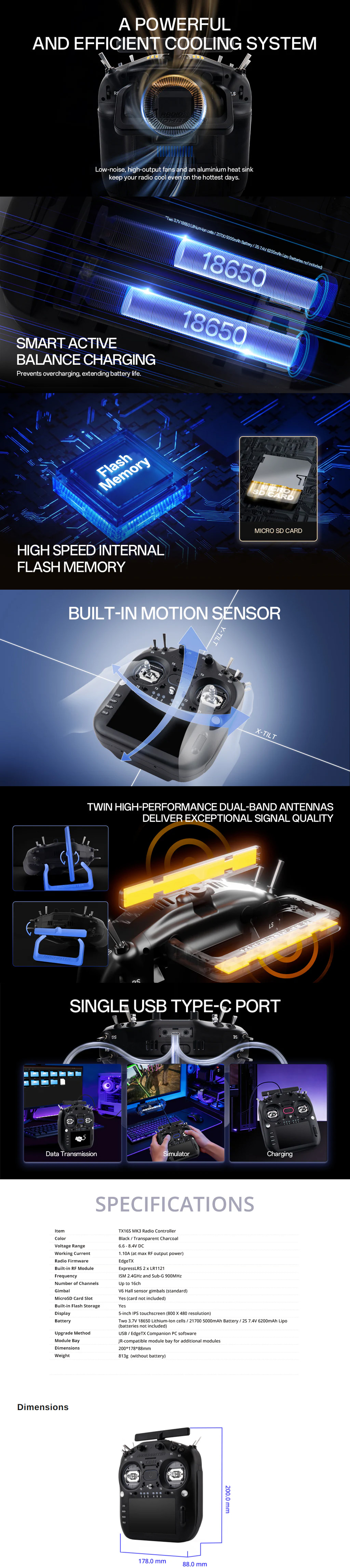
Internal RF Module : Dual-band Gemini 2.4GHz and Sub-G 900MHz
Smart Balance Battery Circuit : Maximizes battery efficiency and longevity for better battery life.
Powerful Cooling System : Low-noise, high-output fans and an aluminum heat sink keep your radio cool, even on the hottest days.
Digital audio : Greater sound quality and reduced interference.
Dual Foldable Antennas : Compact and easy to store without compromising signal strength.
Built-in Microphone : For future feature expansion.
Automatic back light adjustment : Makes the screen easier to read indoors and out.
Built-in Motion Sensor : Trigger switches, pan/tilt cameras, or telemetry callouts simply by tilting your radio.
Storage : Built-in flash memory with external SD card support.
Removable shoulder switch panels : Customize your setup with modular switch panels.
Specification
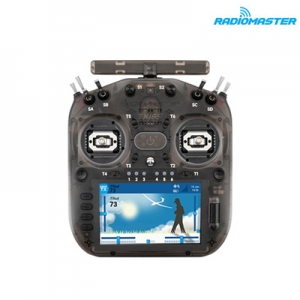
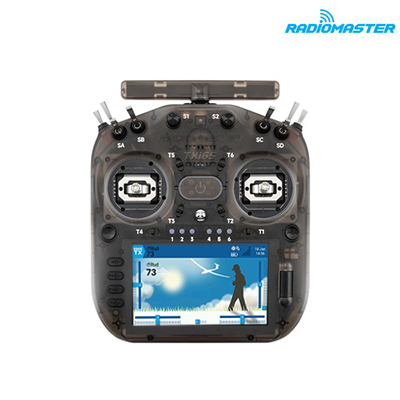
Item : TX16S MK3 Radio Controller
Color : Black / Transparent Charcoal
Voltage Range : 6.6 - 8.4V DC
Working Current : 1.10A (at max RF output power)
Radio Firmware : EdgeTX (require 3.0.0 or higher)
Built-in RF Module : ExpressLRS 2 x LR1121
Frequency : ISM 2.4GHz and Sub-G 900MHz
Number of Channels : Up to 16ch
Gimbal : V6 Hall sensor gimbals (standard)
MicroSD Card Slot : Yes (card not included)
Built-in Flash : Yes
Display : 5-inch IPS touchscreen (800 X 480 resolution)
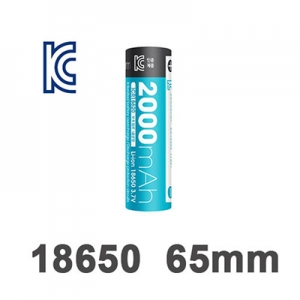
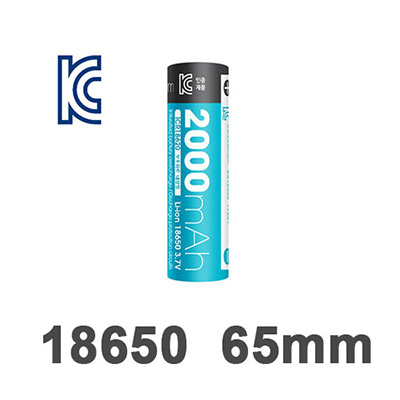
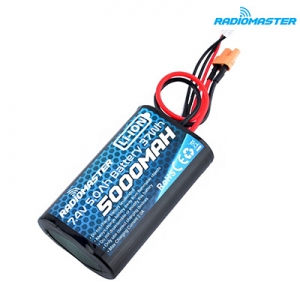
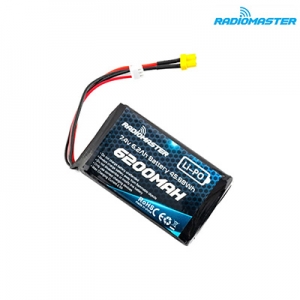
Battery : Two 3.7V 18650 Lithium-Ion cells / 21700 Li-ion 5000mAh Battery / 2S 7.4V 6200mAh Lipo (batteries not included)
Upgrade Method : USB / EdgeTX Companion PC software
Module Bay : JR-compatible module bay for additional modules
Dimensions : 200*178*88mm
Weight : 813g (without battery)
Powered by the advanced STM32H7 processor, it offers lightning-fast performance, smooth operation, and instant responsiveness.
The bright 5-inch 480×800 IPS touchscreen provides a sharp, sunlight-readable interface for easy navigation and programming.
Featuring the Gemini-X dual-band ExpressLRS system with dual LR1121 transceivers, the TX16S MK3 ensures ultra-reliable,
low-latency control across both 2.4GHz and 900MHz bands, providing exceptional signal stability and link quality.
The TX16S MK3 Standard features new V6 quad-bearing Hall-Effect gimbals, using the same high-performance chipset found in the AG02 for improved precision and stability.
External adjustments for travel, centering, and tension let you fine-tune the feel exactly to your preference.
Programmable LED gimbal light rings add a new layer of customization and function, allowing pilots to assign visual indicators for modes,
warnings, or status cues while giving the radio a distinctive, personalized look.
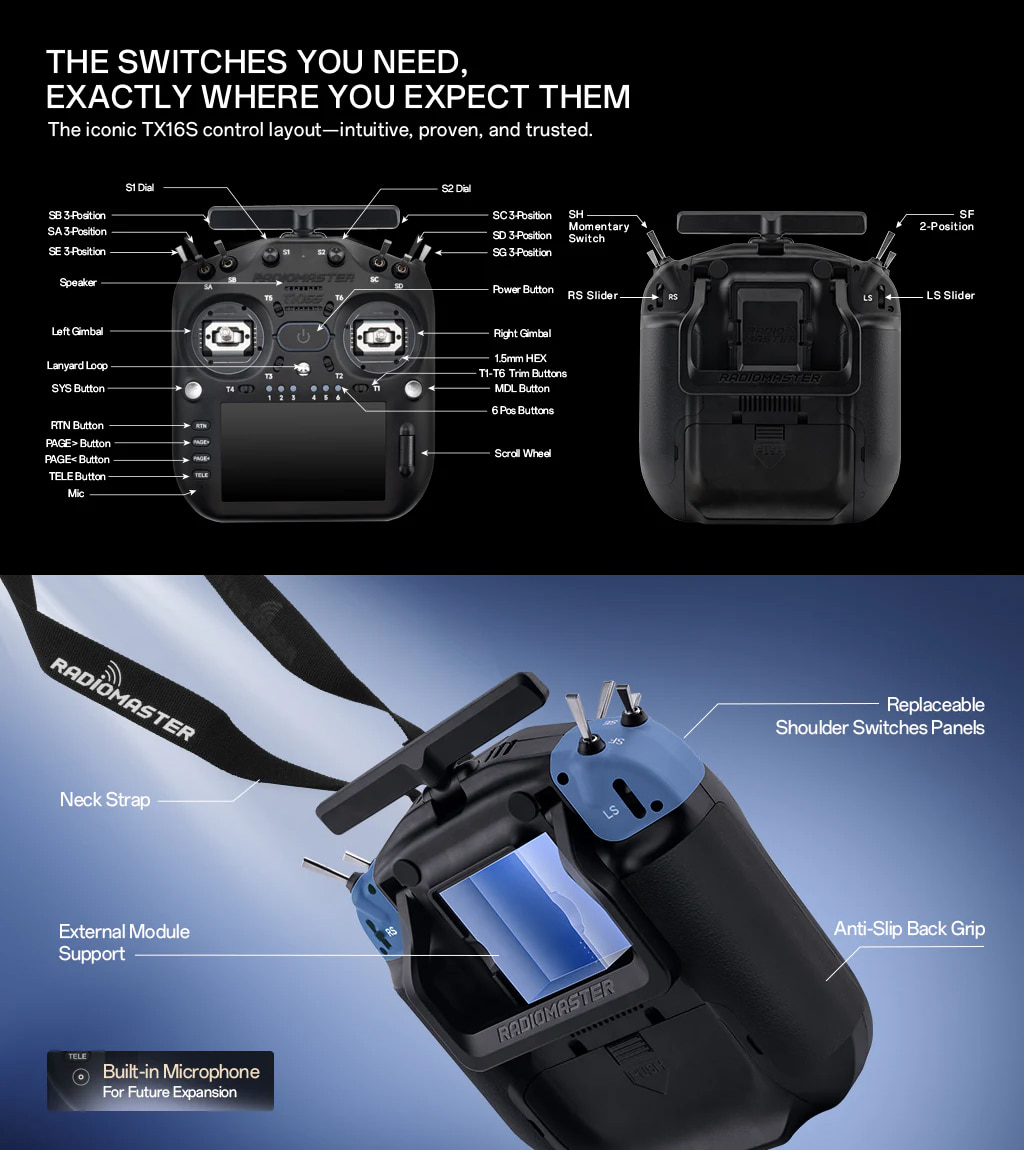
A full-size powerhouse built around the classic, proven TX16S layout—trusted by pilots worldwide.
Every switch, slider, and potentiometer is exactly where it belongs, delivering complete control without compromise.
Modular switch panels allow personalized configurations to match any flying style.
Every aspect of the TX16S MK3 demonstrates thoughtful evolution—powerful, ergonomic, and built for pilots who expect nothing but excellence.
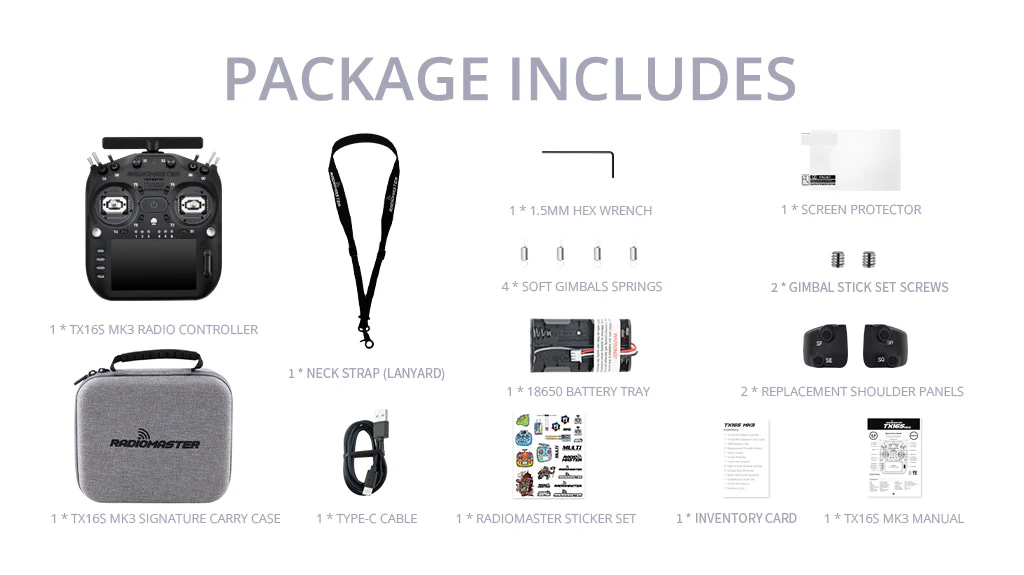
Package Includes
1 * TX16S MK3 Radio Controller
1 * TX16S MK3 Signature Carry Case
1 * 18650 Battery Tray
2 * Replacement Shoulder Panels
1 * Type-C Cable
1 * Screen Protector
1 * 1.5mm Hex Wrench
4 * Low Tension Gimbals Springs
2 * Gimbal Stick Set Screws
1 * Nylon Neck Strap (Lanyard)
1 * RadioMaster Sticker Set
1 * TX16S MK3 Manual
1 * Inventory Card
<모드 변경 방법>
TX16S MK3 is installed with ExpressLRS as standard.
ExpressLRS is an open-source, high-performance radio control link that delivers exceptional range and low-latency communication using advanced LoRa technology.
It's highly customizable and perfect for RC enthusiasts looking for reliability and efficiency.
Pair your ExpressLRS with Radiomaster's top-tier transmitters and receivers.
Radiomaster products are designed to maximize the benefits of ExpressLRS, offering state-of-the-art performance for your RC adventures.
Upgrade your RC experience with the unbeatable combination of ExpressLRS and Radiomaster—engineered for excellence and tailored for you.
TX16S MK3 is now compatible with mLRS! The mLRS project offers an open-source, high-performance radio system based on LoRa technology, operating at 2.4 GHz, 915/868 MHz,
and 433 MHz/70 cm, designed to deliver a secure, reliable, and robust link under any conditions.
mLRS is designed with MAVLink and MSP optimization in mind, while also providing a transparent serial link, making it suitable for a wide range of applications.
Its design ensures the strongest possible signal integrity while maintaining a relatively high data rate, balancing performance and reliability without compromise.
* 글로벌 펌웨어로 배송됩니다. KC 조종기에 사용하실 경우 KC 펌웨어로 업데이트가 필요합니다.
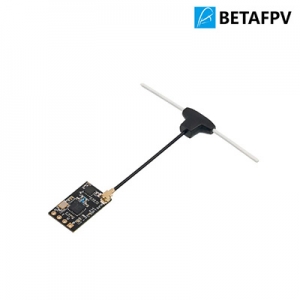
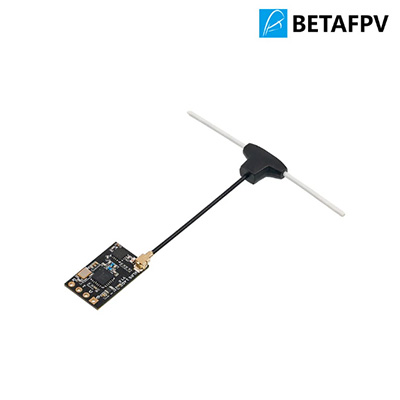
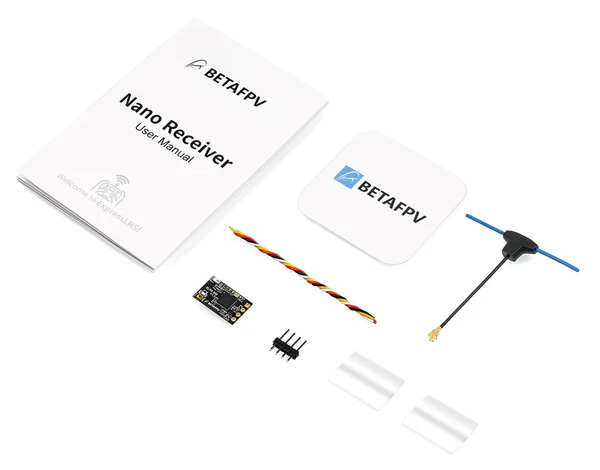
BETAFPV Nano receiver is based on the ExpressLRS project, an open-source RC link for RC applications.
ExpressLRS aims to achieve the best possible link performance in both speeds, latency, and range.
This makes ExpressLRS one of the fastest RC links available while still offering long-range performance.
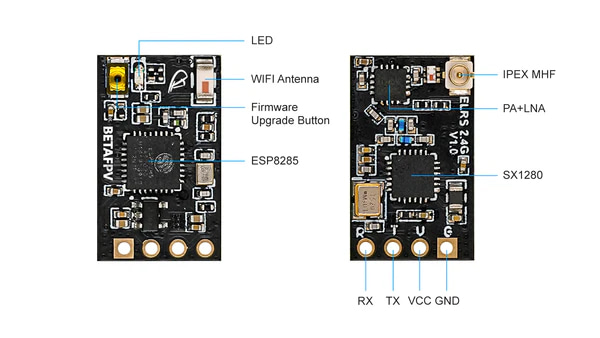
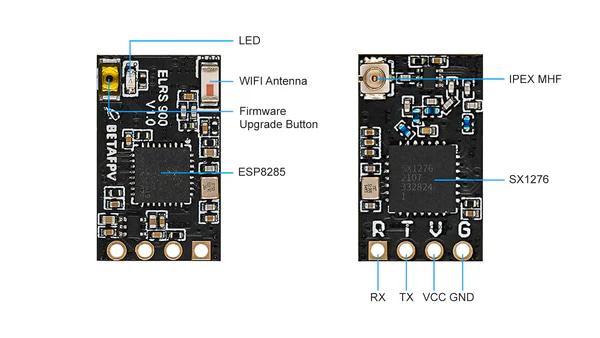
Specification Weight : 0.7g (receiver only) Size : 12mm*19mm Telemetry power : 20dbm (100mW, 2.4G Version) Frequency bands (Nano receiver 2.4G version) : 2.4GHz ISM Frequency bands (Nano receiver 915MHz/868MHz version) : 915MHz FCC/868MHz EU Input voltage : 5V Antenna connector : IPEX MHF
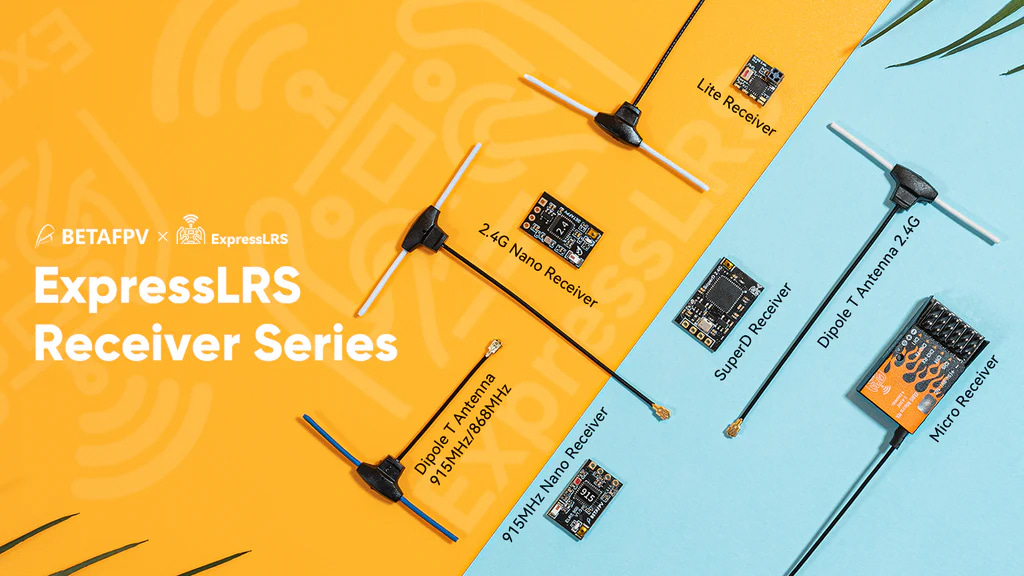
BETAFPV ExpressLRS Receivers Choosing a suitable receiver to fly quadcopter or other RC models is very important. BETAFPV ExpressLRS Receivers including ELRS Lite, Nano, Micro, and the newest SuperD, greatly fulfill pilots' requirements for FPV flying.
Diagram Nano receiver 2.4G version diagram as shown below. Nano receiver 868MHz/915MHz version diagram as shown below.Note : Now the firmware version of the Nano receiver and module manufactured by our company is ELRS 3.3.0.; ELRS Innovative team has officially released version 1.0.0, based on the version, we have some updates:
2.4G Nano TX Module supports 500Hz refresh rate;
Short press the button on the Nano module 3 times to get into the binding status.
We suggest our customers upgrade their modules and receivers' ELRS version to 3.3.0. Significantly, the module and receiver have to be in the same ELRS version, otherwise, the frequency cannot match successfully.
Know More About ExpressLRS ExpressLRS is an open-source RC link for RC applications. Everyone could find this project on Github or join the discussion in Facebook Group.
ExpressLRS is based on Semtech Lora SX127x or SX1280 hardware for RX and TX respectively. it aims to achieve the best possible link performance in both speeds, latency, and range. At 900 MHz a maximum of 200 Hz packet rate is supported. At 2.4 GHz a blistering 500Hz is currently supported with a custom OpenTX build. This makes ExpressLRS one of the fastest RC links available while still offering long-range performance.
More and more vendors start to support the ExpressLRS radio protocol in different parts, like radio transmitter with ELRS in stock, drone with built-in ELRS receiver, ELRS TX module for JR bay, or Nano bay. BETAFPV team take part in this project and provide a series of ExpressLRS components.
Configuration & Bind ExpressLRS uses the Crossfire serial protocol (AKA CRSF protocol) to communicate between the receiver and the flight controller board. So make sure your flight controller board supports the CRSF serial protocol. Next, we use the flight controller with Betaflight firmware to show how to set up the CRSF protocol.
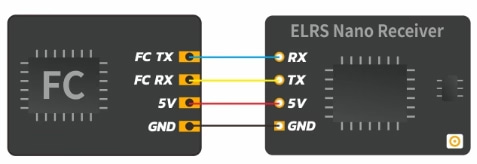
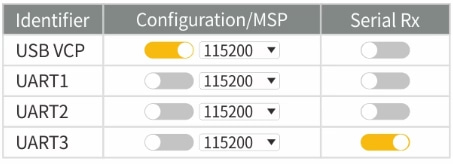
The connection between the ELRS Nano receiver and the FC board is shown below. Enable the corresponding UART (e.g. UART3 below) as a Serial Rx on Betaflight Configurator "Ports" tab.
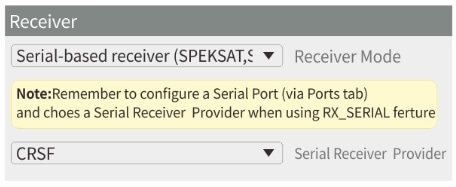
On the "Configuration" tab, select "Serial-based receiver" on the "Receiver" panel, and select "CRSF" as the protocol. Telemetry is optional here and will reduce your stick update rate due to those transmit slots being used for telemetry. Nano receiver could enter binding status by power on/off three times.
Plugin and unplug nano receiver three times;
Make sure the LED is doing a quick double blink, which indicates the receiver is in bind mode;
Make sure the RF TX module or radio transmitter enter binding status, which sends out a binding pulse;
If the receiver has a solid light, it's bound.
Note: Binding once and the receiver will store the binding information. Re-power and the connect successfully auto.